Enhancing Fire Safety: The Crucial Steps of Fire Risk Assessment and Safety Master’s Best-in-Class Fire Audit Services

The Top Causes of Fire in Air Conditioners: What You Need to Know
June 14, 2023Switch On Safety: Mastering Electrical Hazard Prevention through Training
June 19, 2023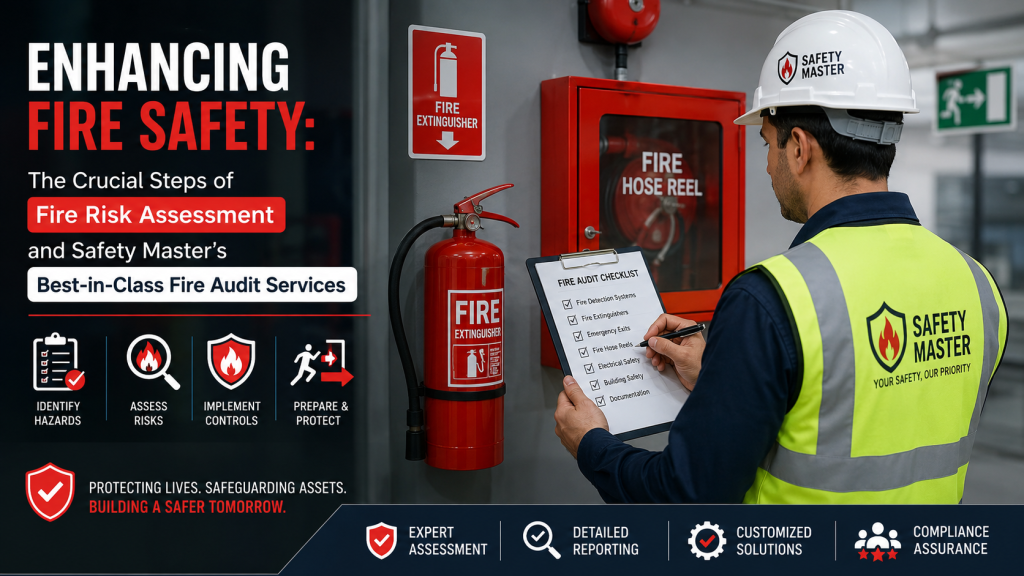
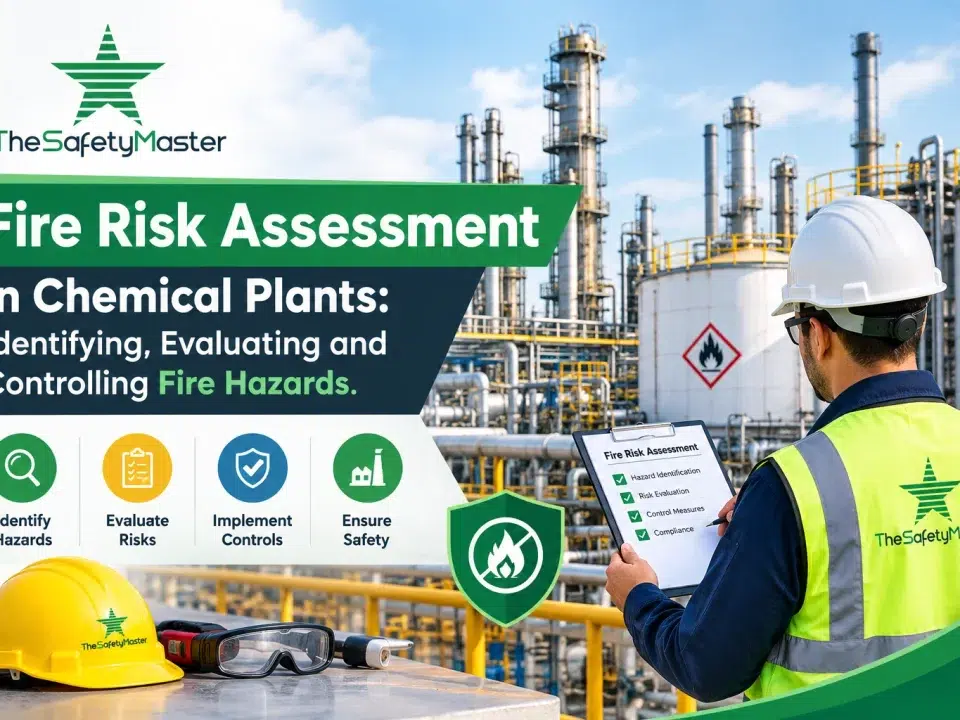
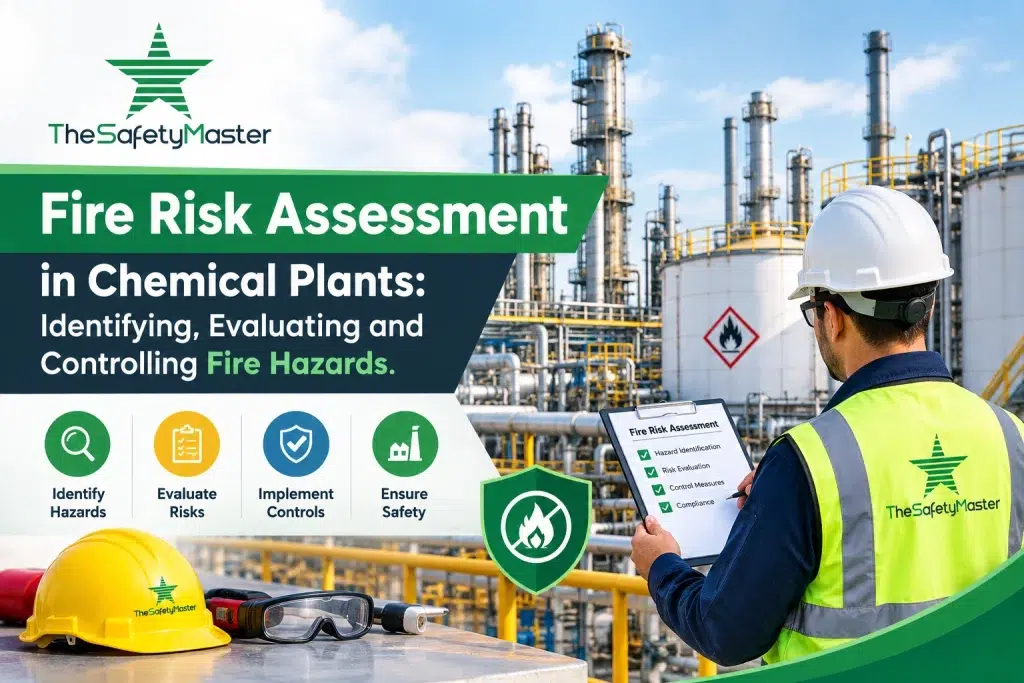
The Safety Master emphasizes that Fire Risk Assessment is a crucial process that helps organizations identify and evaluate potential fire hazards and implement appropriate control measures to ensure the safety of their premises, occupants, and assets. This assessment involves a systematic and comprehensive examination of a building or facility to identify fire risks, assess their potential impact, and determine the most effective preventive and protective measures. Below are the essential steps involved in conducting a Fire Risk Assessment:
1. Identify the Fire Hazards
The first step in a Fire Risk Assessment is to identify all potential fire hazards within the premises. This includes sources of ignition, such as electrical equipment, heating systems, machinery, cooking equipment, and open flames, as well as combustible materials such as flammable liquids, gases, chemicals, paper, packaging, and stored goods.
It is also important to identify activities that may increase the possibility of fire, including hot work, improper storage of materials, overloaded electrical systems, and unsafe working practices.
2. Identify People at Risk
Assess the number and characteristics of people who may be present on the premises, including employees, visitors, customers, contractors, and residents. Consider their mobility, age, familiarity with the building, and any specific needs that may affect their ability to evacuate in case of a fire.
Special attention should be given to people who may require additional assistance during an emergency, including individuals with disabilities, elderly occupants, children, or people working in isolated areas.
3. Evaluate the Fire Safety Measures in Place
Review the existing fire safety measures, including fire detection and alarm systems, fire suppression systems, emergency lighting, fire extinguishers, signage, fire doors, evacuation routes, and means of escape.
Assess their adequacy, condition, accessibility, maintenance, and compliance with relevant fire safety regulations and standards. Any damaged, outdated, obstructed, or poorly maintained equipment should be identified and addressed promptly.
4. Assess the Likelihood of a Fire Occurring
Consider the likelihood of a fire starting based on the identified hazards and any historical incidents. Evaluate the effectiveness of control measures already in place to prevent fires, such as equipment maintenance, safe working practices, housekeeping procedures, proper storage, electrical inspections, and fire safety training.
The assessment should consider both routine operations and unusual activities that could temporarily increase fire risk.
5. Assess the Consequences of a Fire
Determine the potential impact of a fire, including the spread of flames, smoke development, toxic gas emissions, property damage, business interruption, injuries, and potential loss of life.
Evaluate the availability and effectiveness of firefighting equipment, evacuation procedures, emergency response plans, fire exits, assembly points, and communication systems. Understanding the possible consequences helps organizations prepare suitable emergency arrangements and reduce the potential impact of an incident.
6. Evaluate and Prioritize Risks
Based on the information gathered, evaluate the level of risk associated with each identified hazard. Consider both the likelihood of a fire occurring and the severity of its potential consequences.
Risks should be prioritized according to their significance and the resources available for mitigation. High-priority hazards should be addressed immediately, while lower-level risks should still be monitored and controlled through appropriate preventive measures.
7. Implement Control Measures
Develop and implement a fire risk management plan to control and mitigate identified risks. This may include installing or upgrading fire detection and alarm systems, improving emergency lighting, providing suitable fire extinguishers, maintaining fire doors, improving evacuation routes, implementing safe working practices, and providing adequate fire safety training for staff.
Control measures should be practical, effective, and suitable for the specific characteristics of the premises and its occupants.
8. Review and Update
Regularly review and update the Fire Risk Assessment to ensure its continued effectiveness. Consider any changes in the premises, occupancy, equipment, working processes, storage arrangements, or fire safety regulations that may impact the assessment.
Organizations should also maintain accurate records of the assessment, identified risks, recommended actions, completed improvements, inspections, and training activities. Regular reviews help ensure that fire safety arrangements remain effective over time.
Why Choose Safety Master for Fire Audit Services?
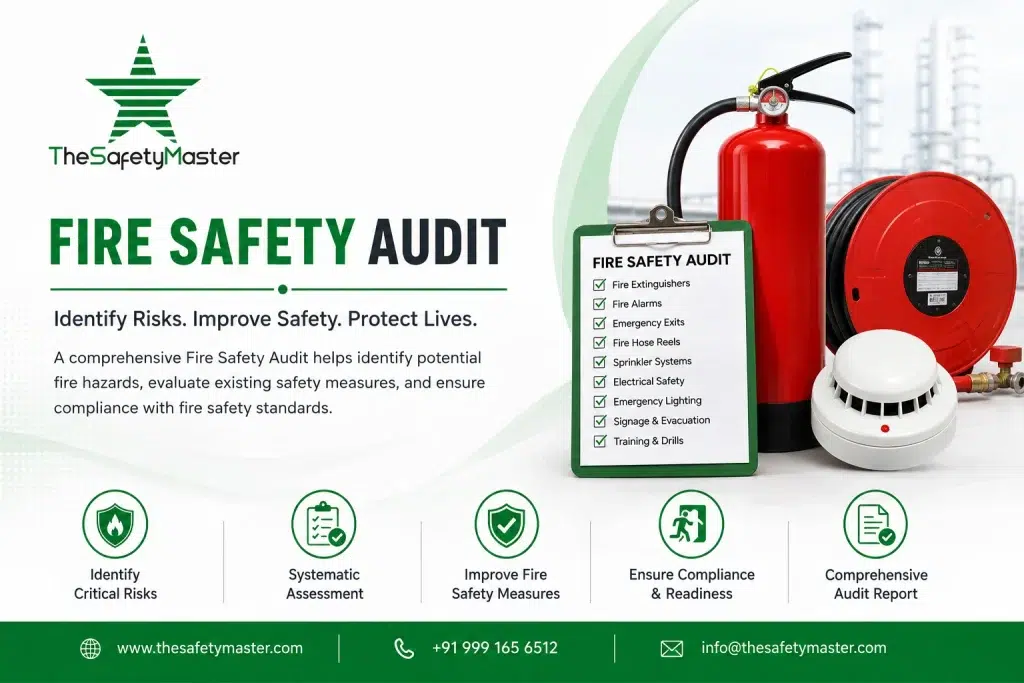
Safety Master, a leading safety consultant, specializes in providing comprehensive fire audit services. Their Fire Safety Audit process involves a thorough examination of a building’s fire safety measures to identify deficiencies and recommend improvements. Here are some reasons why Safety Master is considered a trusted name in the field:
1. Expertise and Experience
Safety Master employs highly skilled and experienced fire safety professionals who have in-depth knowledge of fire safety regulations and best practices. They have experience conducting fire audits for a wide range of industries and building types, helping organizations identify potential hazards and improve their overall safety standards.
2. Comprehensive Approach
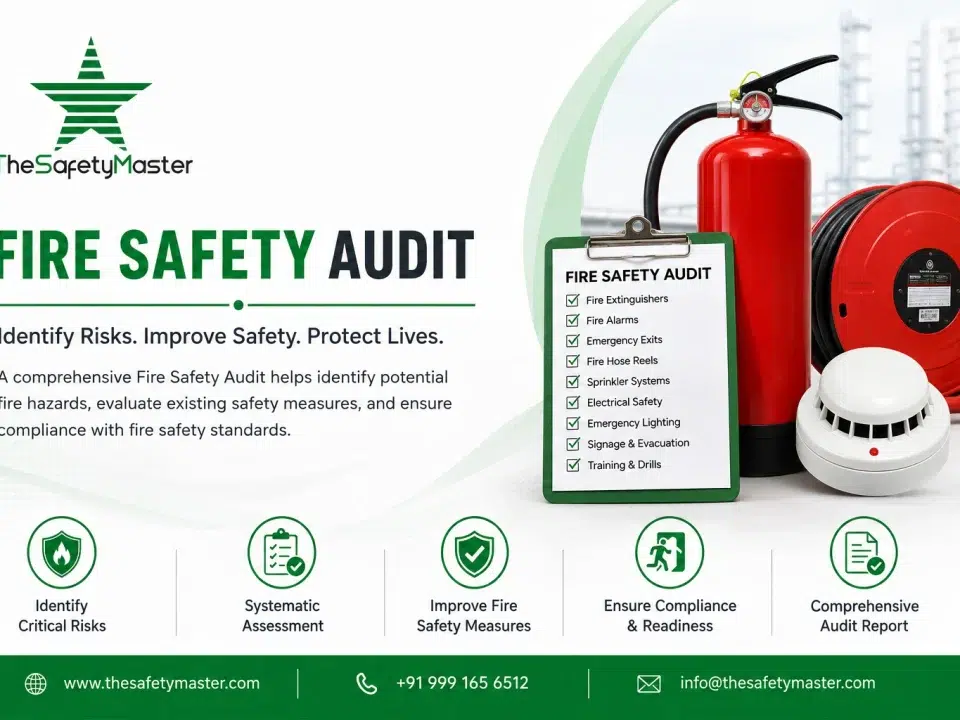
Safety Master’s fire audit process covers all major aspects of fire safety, including fire detection and alarm systems, emergency lighting, signage, means of escape, fire suppression systems, fire extinguishers, emergency procedures, and training programs.
Their systematic approach helps ensure that important fire safety components are thoroughly reviewed during the audit.
3. Customized Solutions
Every building and organization has different operational requirements and risk factors. Safety Master understands this and tailors its fire audit services according to the specific needs of each client.
They provide personalized recommendations based on audit findings while considering the client’s budget, industry requirements, building characteristics, and risk profile.
4. Compliance Assurance
Safety Master ensures that its fire audits are aligned with relevant fire safety regulations and standards. Its professionals keep themselves updated with developments in fire safety codes, regulations, and industry practices.
This helps organizations understand areas where their existing fire safety arrangements may require improvement or corrective action.
5. Cutting-Edge Technology
Safety Master utilizes modern technology and specialized equipment during fire audits. Advanced fire detection systems, thermal imaging cameras, inspection tools, and other technologies can assist in identifying potential fire hazards and evaluating the effectiveness of existing safety measures.
Technology-supported assessments can provide additional information that may not always be visible through a basic visual inspection.
6. Training and Education
Safety Master goes beyond the audit process by offering comprehensive training and education programs. Fire safety training helps employees understand how to prevent fire incidents, identify potential hazards, use firefighting equipment, raise alarms, and respond appropriately during emergencies.
Well-trained employees can play an important role in minimizing risks and supporting an effective emergency response.
7. Ongoing Support
Safety Master is committed to long-term support for its clients. The organization provides guidance to help businesses implement recommended control measures and monitor their effectiveness over time.
Follow-up audits and reviews can help organizations identify emerging fire risks and ensure that previously identified deficiencies have been addressed.
8. Reputation and Client Satisfaction
Safety Master has built a reputation for delivering professional safety and fire audit services. Its approach focuses on helping clients improve fire safety standards, identify deficiencies, and work toward better compliance.
Client satisfaction and positive feedback can help demonstrate the value of professional fire safety assessment and consulting services.
Conclusion
Conducting a thorough Fire Risk Assessment is crucial for ensuring the safety of a building, its occupants, assets, and operations. A systematic assessment allows organizations to identify fire hazards, evaluate risks, implement effective control measures, and prepare suitable emergency procedures.
Safety Master stands out as a professional safety consultant offering comprehensive fire audit services. Its expertise, customized approach, compliance-focused assessments, modern technology, training programs, and ongoing support can help organizations strengthen their fire safety arrangements and mitigate potential risks.
By proactively identifying hazards and addressing deficiencies, organizations can create a safer environment for employees, visitors, customers, and other occupants while improving their overall preparedness for fire emergencies.
TSM TheSafetyMaster Private Limited Services
TSM TheSafetyMaster Private Limited offers a range of professional safety services, including:
- Workplace Safety
- Construction Safety
- Electric Safety
- Fire Safety
- Building Safety
- Safety Performance
Office Address:
Unit No. 221-451-452, SPL1/J, 2nd & 4th Floor, Sunsquare Plaza Complex, RIICO Chowk, Bhiwadi 301019, Rajasthan, India
Phone: +91 1493 22 0093
Mobile: +91 7665231743 / 9413882016
Email: info@thesafetymaster.com