Enhancing Fire Safety: The Importance of Conducting a Thorough Fire Risk Assessment and The Safety Master as Your Trusted Fire Safety Consultant

Navigating the PSSR Process: A Detailed Guide to Pre-startup Safety Review
June 13, 2023
Why Every Event Site Needs a Comprehensive Safety Audit
June 14, 2023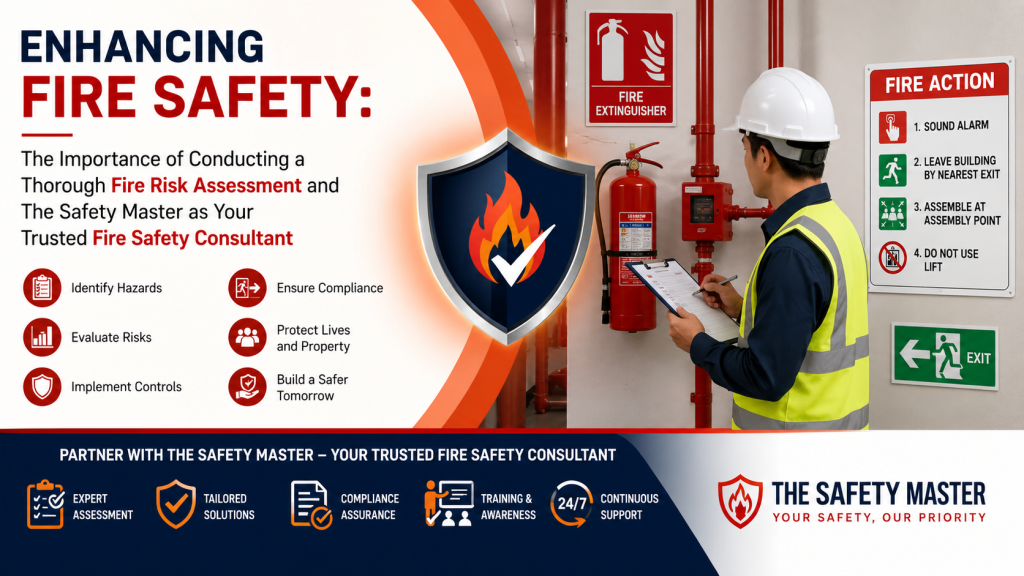
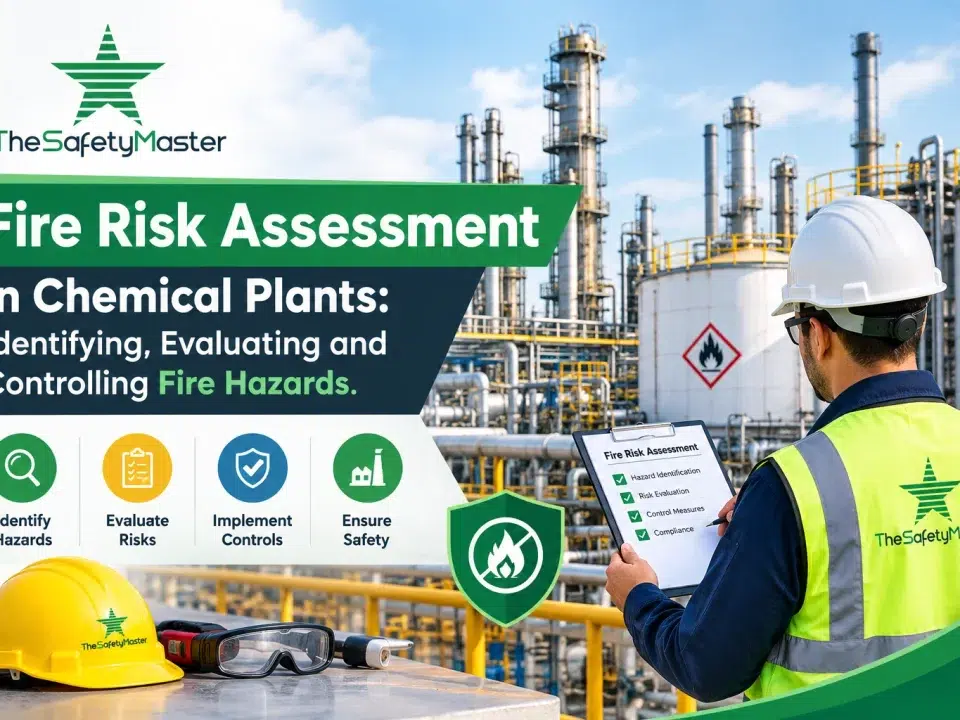
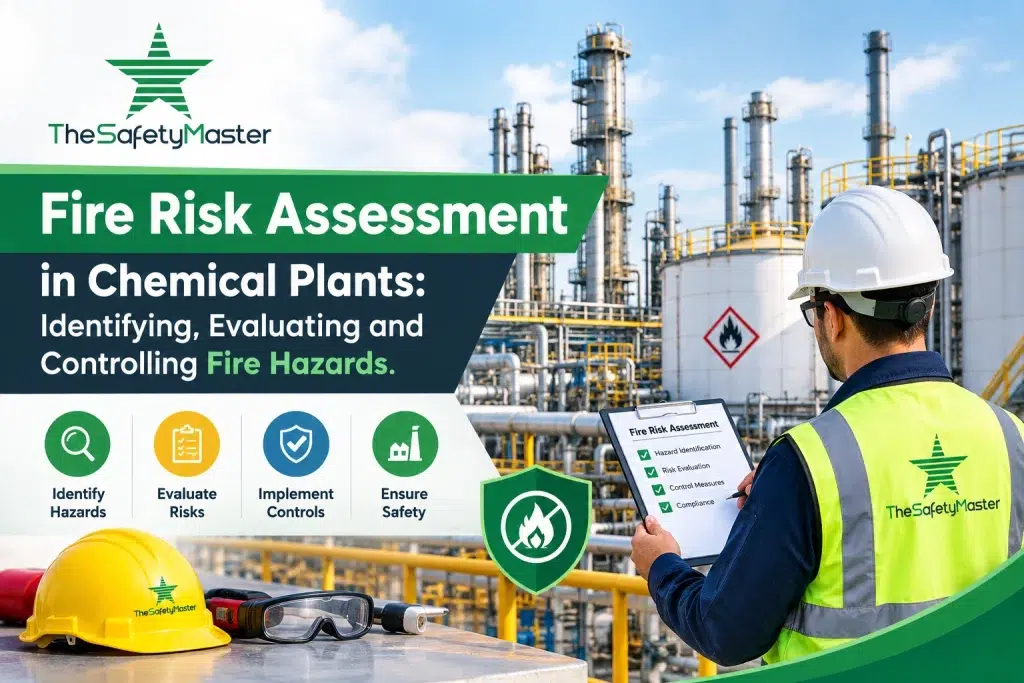
Fire safety is a critical aspect of any organization’s operations, and conducting a thorough fire risk assessment is essential to ensure the safety of people and property. The Safety Master provides professional expertise in identifying potential hazards and developing effective preventive strategies. By focusing on prevention and proactive measures, businesses can effectively mitigate fire hazards and create a safer working environment. A fire risk assessment involves identifying potential fire hazards, evaluating the level of risk, and implementing appropriate control measures to prevent or minimize the impact of a fire incident.
Understanding Fire Risk Assessment
A fire risk assessment is a systematic examination of a workplace, building, or facility to identify potential sources of fire and evaluate the risks associated with them. The process helps organizations understand where vulnerabilities exist and what measures should be implemented to protect employees, visitors, assets, and infrastructure.
The assessment considers various factors, including the building’s design and layout, electrical installations, combustible materials, storage practices, emergency exits, fire detection systems, and firefighting equipment. By evaluating these elements together, organizations can develop a comprehensive approach to fire prevention and emergency preparedness.
Importance of a Fire Audit
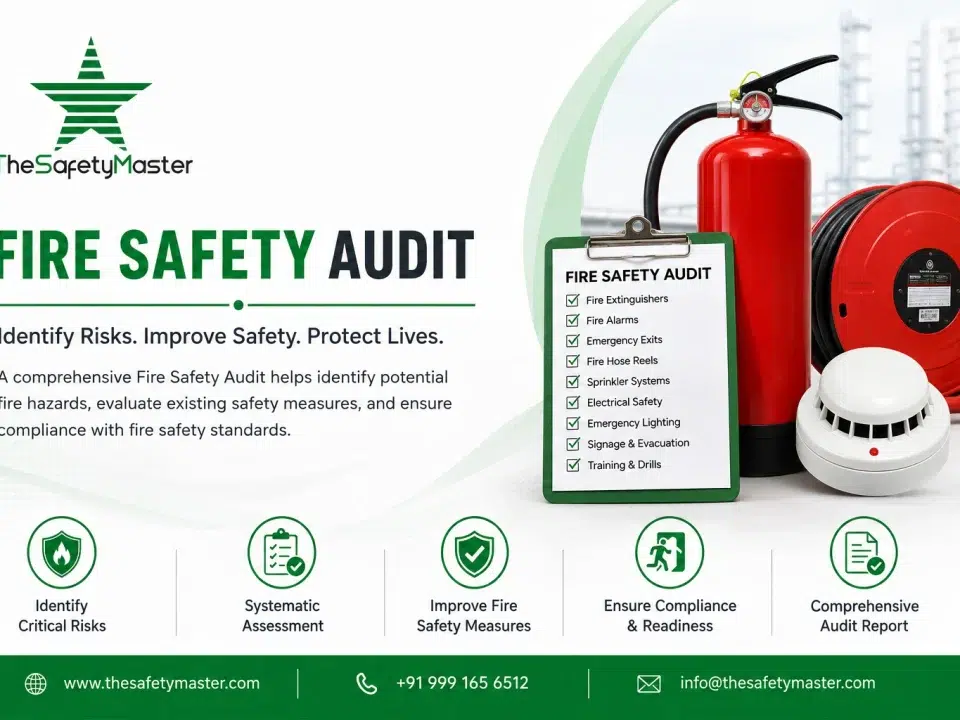
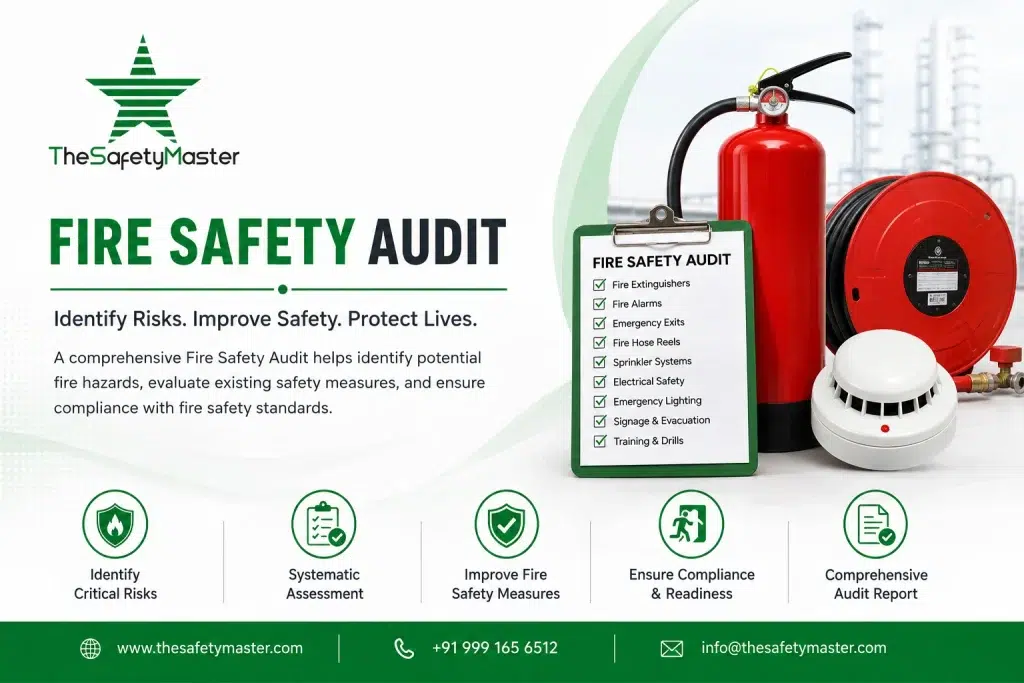
During a fire risk assessment, a comprehensive fire audit is conducted to identify potential fire hazards within the premises. This includes evaluating the layout of the building, the presence and condition of fire safety equipment, the storage and handling of flammable substances, electrical systems, and emergency escape routes.
A detailed audit helps identify areas where existing safety measures may be inadequate or require improvement. It also allows organizations to prioritize risks based on their potential severity and likelihood. Addressing these risks at an early stage can significantly reduce the possibility of fire-related incidents and limit their consequences if an emergency occurs.
Key Elements of Fire Safety Auditing
A fire safety audit encompasses various aspects of an organization’s fire prevention and protection arrangements. One important area is reviewing existing fire safety policies and procedures to determine whether they are practical, up to date, and effectively implemented.
The assessment also examines the effectiveness of fire detection and alarm systems. Smoke detectors, heat detectors, manual call points, alarms, and related systems should be appropriately installed, maintained, and tested.
Fire extinguishers and other firefighting equipment are also inspected to determine whether they are suitable for the risks present and readily accessible when required. Their condition, location, maintenance, and suitability for different classes of fire are important considerations.
Emergency evacuation arrangements are another essential component. Escape routes should remain accessible, clearly identified, adequately illuminated, and free from obstructions. Emergency exits and assembly areas should be incorporated into the organization’s overall emergency response strategy.
Employee Training and Fire Awareness
Fire safety is not limited to equipment and infrastructure. Employees play an important role in preventing fires and responding appropriately during emergencies. For this reason, employee awareness and training form an important part of a comprehensive assessment.
Organizations should ensure that employees understand basic fire prevention practices, emergency procedures, evacuation routes, alarm systems, and the appropriate use of firefighting equipment. Regular fire drills can help employees become familiar with evacuation procedures and identify weaknesses in emergency arrangements.
Proper training also helps reduce panic and confusion during an actual emergency. Employees who understand their responsibilities are more likely to respond quickly and follow established procedures.
The Role of Proactive Fire Prevention
Effective fire safety focuses on preventing incidents rather than simply responding after a fire occurs. Organizations should regularly review workplace activities, identify changing hazards, and update their safety measures accordingly.
Electrical equipment should be properly maintained, combustible materials should be stored safely, and flammable substances should be handled according to appropriate safety procedures. Good housekeeping is also important because accumulated waste, packaging, dust, and other combustible materials can increase fire risk.
Regular inspections and maintenance can identify defects before they become serious problems. Proactive monitoring also enables businesses to adapt their fire safety arrangements when there are changes to building layouts, machinery, processes, staffing, or storage practices.
Fire Safety Consulting Expertise
In the realm of fire safety consulting, The Safety Master provides professional fire safety assessment and consulting services designed around the requirements of individual organizations. Its experienced professionals can evaluate workplace conditions, identify potential hazards, and recommend practical control measures.
A professional assessment should take into consideration the organization’s premises, operations, workforce, equipment, and existing safety arrangements. This helps ensure that recommendations are relevant rather than based on a one-size-fits-all approach.
The Safety Master’s approach focuses on prevention and proactive measures. By identifying potential fire hazards before they escalate, businesses can implement effective controls and strengthen their overall safety performance.
Developing Customized Fire Safety Strategies
Every workplace has different hazards and operational requirements. A manufacturing facility, commercial building, warehouse, office, or industrial site may require different fire prevention and emergency response measures.
A detailed assessment helps organizations determine the most appropriate strategies for their specific circumstances. These may include improving fire detection systems, reorganizing storage areas, strengthening emergency evacuation procedures, upgrading firefighting equipment, improving signage, or introducing additional employee training.
Regular reviews are equally important because fire risks can change over time. New equipment, processes, materials, construction changes, or changes in occupancy can introduce additional hazards. Periodic assessments help organizations maintain effective fire safety arrangements.
Building a Strong Fire Safety Culture
A strong fire safety culture requires continuous participation from management and employees. Management should provide appropriate resources, establish clear responsibilities, and ensure that safety procedures are followed consistently.
Employees should also be encouraged to report unsafe conditions, blocked escape routes, damaged equipment, electrical issues, and other potential hazards. Creating an environment where safety concerns are addressed promptly can help prevent minor issues from becoming major risks.
Fire safety should therefore be treated as an ongoing responsibility rather than a one-time compliance exercise. Regular audits, inspections, training, drills, and reviews can help organizations maintain a higher level of preparedness.
Conclusion
Conducting a thorough fire risk assessment is crucial for organizations to identify and mitigate potential fire hazards. By focusing on prevention and proactive measures, businesses can strengthen fire safety arrangements, protect employees and visitors, reduce property risks, and create a more secure working environment.
The Safety Master offers professional fire safety consulting and assessment services that emphasize prevention, customized strategies, compliance, and employee awareness. Through systematic evaluation and practical recommendations, organizations can better understand their fire risks and take appropriate action to control them.
TSM TheSafetyMaster® Private Limited
At TSM TheSafetyMaster® Private Limited, the following services are offered:
- Safety Audit
- Industrial Hygiene Audit
- HSE Documentation
- HIRA Study
- ISO45001
Address:
Unit No. 221-451-452, SPL1/J, 2nd & 4th Floor, Sunsquare Plaza Complex, RIICO Chowk, Bhiwadi 301019, Rajasthan, India
Phone: +91 1493 22 0093
Mobile: +91 7665231743 / 9413882016
Email: info@thesafetymaster.com