How a Fire Safety Audit Course Builds Practical Skills for Safer Workplaces

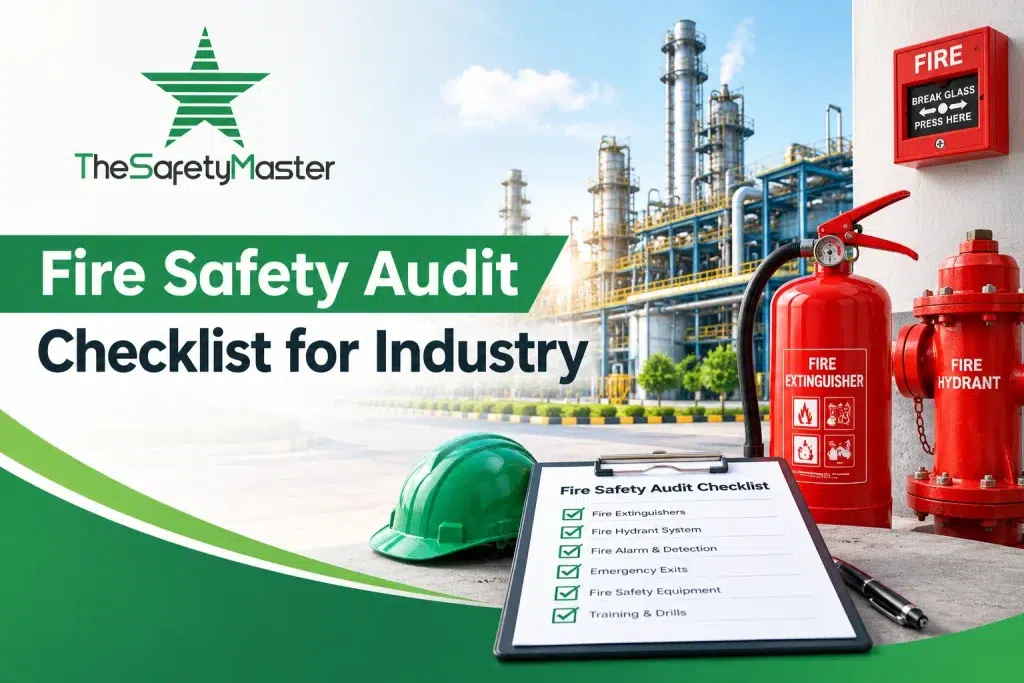
How to Conduct an Effective Workplace Safety Audit: A Step-by-Step Checklist
September 29, 2026
Essential Fire Safety Measures Covered in a Hospital Audit Checklist
October 2, 2026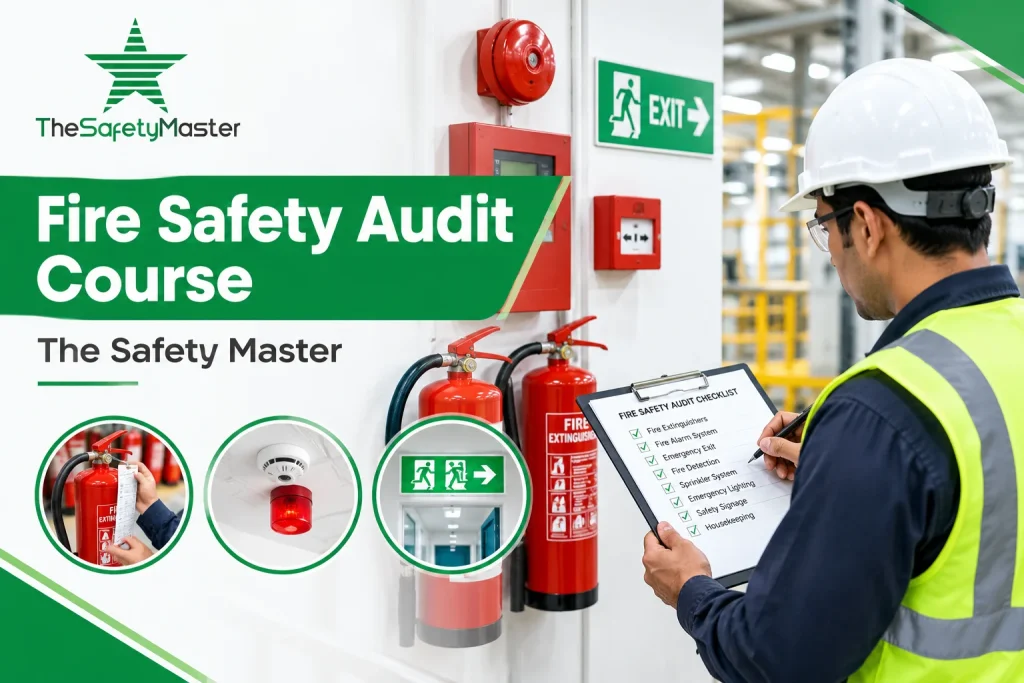
Fire safety is an important part of every workplace. Offices, factories, warehouses, hospitals, hotels, schools, and commercial buildings can face different types of fire risks. Finding these risks early can help organizations take suitable preventive action.
A Fire Safety Audit Course helps safety professionals understand how to identify fire hazards, inspect safety arrangements, prepare audit findings, and recommend corrective actions. It combines basic fire safety knowledge with practical audit skills that can be used in real workplaces.
The Safety Master provides safety training and professional guidance to help organizations and safety professionals improve their approach to fire risk management.
What Is a Fire Safety Audit Course?
A Fire Safety Audit Course is designed to teach participants how to review fire safety arrangements in a workplace. The course generally covers fire hazards, fire protection systems, emergency procedures, inspection methods, documentation, and corrective actions.
The training can help participants understand what to check during a fire safety audit and how to identify gaps in existing safety arrangements.
Main Areas Covered in the Course
A practical course may cover:
- Fire hazard identification
- Fire prevention methods
- Fire detection and alarm systems
- Fire extinguishers and firefighting equipment
- Emergency exits and escape routes
- Emergency lighting
- Fire pumps and hydrant systems
- Sprinkler systems
- Electrical fire risks
- Storage and housekeeping
- Emergency response procedures
- Fire safety documentation
- Audit checklist preparation
- Audit report preparation
- Corrective and preventive actions
How a Fire Safety Audit Course Builds Practical Skills
Training is more useful when participants can apply what they learn to actual workplace conditions. A Fire Safety Audit Course can develop several practical skills.
Identifying Fire Hazards
Participants learn how to recognize common sources of fire, including electrical faults, combustible materials, hot work, improper storage, ignition sources, and poor housekeeping.
Understanding these hazards helps safety professionals focus their inspections on areas that may require attention.
Inspecting Fire Protection Systems
A fire safety audit involves checking whether important fire protection arrangements are available, accessible, maintained, and suitable for the workplace.
Participants can learn how to review:
- Fire extinguishers
- Fire alarms
- Smoke and heat detectors
- Hydrant systems
- Sprinkler systems
- Fire pumps
- Emergency lighting
- Fire doors
- Emergency exits
Preparing Fire Safety Checklists
A checklist helps auditors conduct systematic inspections. Training can help participants create checklists based on the type of building, activities, equipment, occupancy, and identified fire risks.
A good checklist can reduce the possibility of missing important inspection points.
Developing Workplace Fire Risk Assessment Skills
Fire risk assessment is an important part of fire safety management. It involves identifying hazards, understanding who may be affected, evaluating risk, and deciding suitable control measures.
Identifying High-Risk Areas
Different areas of a workplace may have different fire risks. For example, a production area may have process-related risks, while a warehouse may have significant combustible storage.
An audit course helps participants understand how workplace activities and materials can influence fire risk.
Recommending Control Measures
After identifying a hazard, an auditor should be able to recommend practical control measures. These may include improved housekeeping, better storage, electrical maintenance, fire detection, suitable extinguishers, emergency access, or employee training.
Learning How to Conduct a Fire Safety Audit
A systematic audit approach makes the inspection easier to manage.
Review Existing Documents
The auditor may review relevant fire safety documents, inspection records, maintenance records, emergency plans, training records, and previous audit reports.
Conduct a Workplace Inspection
The physical inspection is an important part of the audit. The auditor observes workplace conditions and checks fire safety arrangements against applicable requirements and organizational procedures.
Record Findings
Findings should be documented clearly. Photographs, observations, risk descriptions, and recommendations can help explain the identified issues.
Prepare the Audit Report
A fire safety audit report normally presents the findings, risk areas, recommendations, and suggested corrective actions. Clear reporting helps management understand what needs to be addressed.
Understanding the 7 Layers of Fire Safety
Fire safety can be viewed as a combination of multiple protective layers. These may include:
- Fire prevention
- Early detection
- Alarm and notification
- Fire suppression
- Safe evacuation
- Emergency response
- Recovery and continuity planning
These layers work together to reduce the impact of a fire emergency.
Key Points Covered in Fire Safety Training
Effective fire safety training should provide employees with practical knowledge they can use during an emergency.
Important Training Topics
Training may include:
- Common causes of workplace fires
- Fire prevention practices
- Types of fire
- Selection and use of extinguishers
- Fire alarm procedures
- Emergency evacuation
- Assembly points
- Emergency communication
- Reporting fire hazards
- Role of fire wardens
- Emergency response procedures
- Fire drill participation
How Fire Safety Can Be Ensured at the Workplace
Fire safety requires continuous attention rather than a one-time inspection. Organizations should maintain fire protection systems, keep escape routes clear, control ignition sources, manage combustible materials, and provide regular employee training.
Regular Inspection and Maintenance
Fire alarms, extinguishers, emergency lighting, fire pumps, hydrants, sprinklers, and other systems should be inspected and maintained according to applicable requirements and manufacturer recommendations.
Good Housekeeping
Poor housekeeping can increase fire risk. Waste materials, combustible storage, blocked exits, and unnecessary materials should be properly managed.
Employee Awareness
Employees should know how to report fire hazards, raise an alarm, evacuate safely, and follow emergency procedures.
Four Golden Rules of Fire Safety
Four basic principles that support workplace fire safety are:
- Prevent fires by controlling hazards and ignition sources.
- Detect fires early through suitable detection and alarm systems.
- Respond quickly by following emergency procedures.
- Evacuate safely using clear and accessible escape routes.
These principles should be supported by regular training, inspections, maintenance, and fire drills.
10 Ways to Prevent Fires in the Workplace
Organizations can reduce workplace fire risks through practical measures such as:
- Maintain electrical equipment and installations properly.
- Keep emergency exits and escape routes clear.
- Store combustible materials safely.
- Control smoking and open-flame activities.
- Follow safe hot-work procedures.
- Keep fire extinguishers accessible and suitable for the hazards.
- Maintain fire alarms and detection systems.
- Keep workplaces clean and free from unnecessary combustible waste.
- Train employees in fire prevention and emergency response.
- Conduct regular fire safety inspections and audits.
Benefits of Taking a Fire Safety Audit Course
A Fire Safety Audit Course can provide several professional benefits.
Better Hazard Identification
Participants can improve their ability to identify common and workplace-specific fire hazards.
Improved Audit Skills
Training helps professionals understand how to plan inspections, use checklists, record observations, and prepare structured reports.
Better Emergency Preparedness
Understanding fire prevention and emergency response can support better workplace preparedness.
Stronger Safety Awareness
Trained employees and safety professionals can contribute to a stronger fire safety culture within an organization.
Practical Knowledge for Safety Professionals
The knowledge gained from training can be useful for safety officers, EHS professionals, facility managers, fire safety personnel, engineers, supervisors, and other professionals responsible for workplace safety.
Why Practical Fire Safety Training Matters
Reading about fire safety is useful, but practical understanding is important when working in real facilities. Professionals need to recognize hazards, inspect equipment, understand emergency arrangements, and communicate findings clearly.
A structured Fire Safety Audit Course can connect fire safety theory with workplace inspection practices. This can help participants approach audits in a more organized and consistent way.
Conclusion
A Fire Safety Audit Course helps develop practical knowledge for identifying fire hazards, inspecting fire protection systems, preparing audit checklists, documenting findings, and improving workplace emergency preparedness. Regular audits, employee training, proper maintenance, and effective fire prevention measures are all important parts of workplace fire safety.
With practical training and professional guidance, organizations can build stronger fire safety practices and create safer working environments. The Safety Master supports safety professionals and organizations with training and safety solutions designed to improve workplace risk management.
FAQs
Q-What is the purpose of a fire safety audit?
The purpose of a fire safety audit is to systematically review fire hazards, fire protection systems, emergency arrangements, and workplace practices. It helps identify gaps and provides recommendations for improving fire safety.
Q-What are the 7 layers of fire safety?
The seven commonly discussed layers are fire prevention, early detection, alarm and notification, fire suppression, safe evacuation, emergency response, and recovery or continuity planning.
Q-What are the key points of fire safety training?
Key points include fire prevention, hazard identification, types of fire, extinguisher awareness, alarm procedures, evacuation, emergency communication, fire drills, and employee responsibilities during an emergency.
Q-How can fire safety be ensured at the workplace?
Fire safety can be supported through regular inspections, proper maintenance of fire protection systems, clear emergency exits, good housekeeping, safe storage, electrical safety, employee training, fire drills, and periodic fire safety audits.
Q-What are the four golden rules of fire safety?
The four basic principles are to prevent fires, detect fires early, respond quickly, and evacuate safely. These principles should be supported by appropriate fire protection systems and employee training.
Q-What are 10 ways to prevent fires in the workplace?
Ten practical methods include maintaining electrical systems, keeping exits clear, storing combustible materials safely, controlling smoking and open flames, following hot-work procedures, maintaining extinguishers, testing fire alarms, maintaining good housekeeping, training employees, and conducting regular fire safety audits.