How Process Safety Management Training Builds Safer Industrial Operations in India

Fire Safety in Hospitals in India: Guidelines, Training & Safety Plan
May 22, 2026
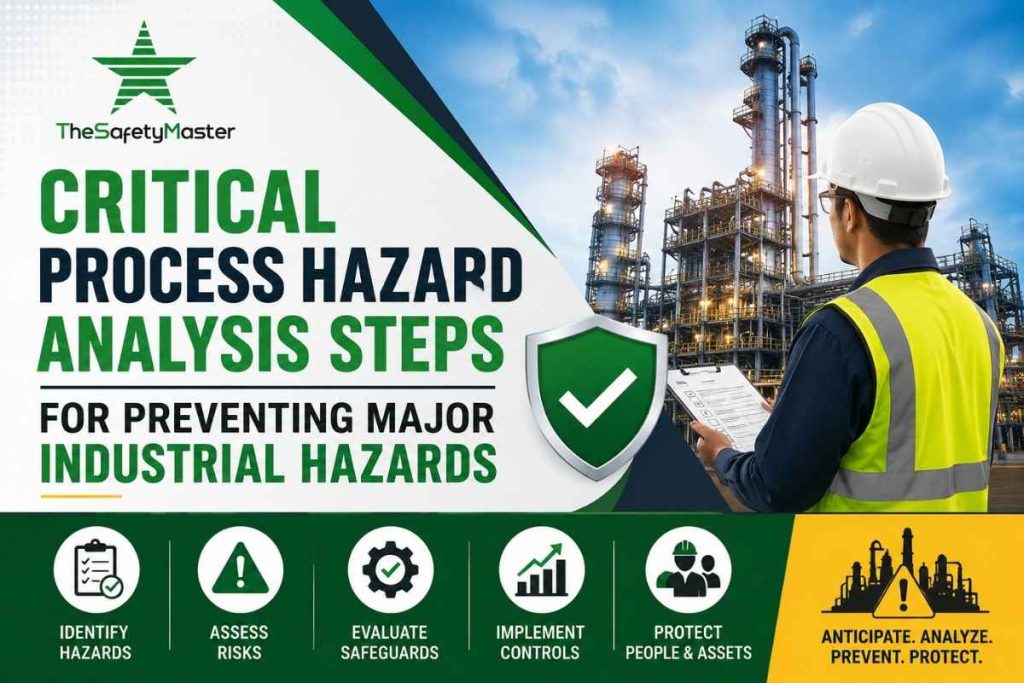
Critical Process Hazard Analysis Steps for Preventing Major Industrial Hazards
May 27, 2026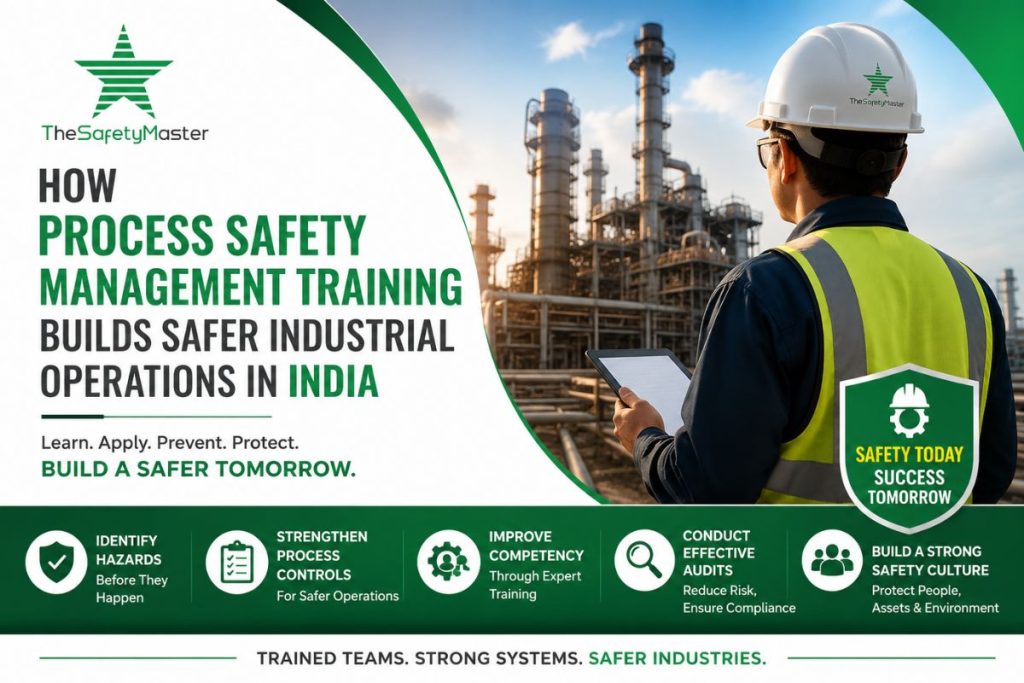
Industrial safety is no longer limited to compliance checklists and periodic inspections. In sectors such as oil & gas, chemicals, pharmaceuticals, manufacturing, power plants, and heavy engineering, one small process failure can lead to fire, toxic release, equipment damage, environmental impact, or serious injury. This is where process safety management training becomes critical for organizations that want to reduce operational risk and improve workplace safety.
In India, industries are expanding rapidly, but with growth comes higher responsibility. A strong safety culture backed by technical knowledge, structured hazard identification, and process controls helps companies prevent incidents before they happen. Proper training ensures teams understand hazards, follow procedures, and respond effectively during abnormal conditions.
Why Process Safety Management Is Important for Industrial Safety
Process safety focuses on preventing catastrophic incidents caused by failures in systems, chemicals, equipment, or operational processes. Unlike personal safety, which protects individuals from slips, falls, or direct injury, process safety deals with controlling major industrial risks.
A well-designed process safety management training program in India helps industries:
- Identify process hazards before escalation
- Improve operational discipline
- Reduce chemical and fire-related risks
- Strengthen emergency response planning
- Maintain compliance with industrial safety standards
- Improve plant reliability and business continuity
Organizations that invest in safety knowledge often see fewer shutdowns, lower incident rates, and better long-term operational performance.
How Training Creates Safer Industrial Operations
Industrial accidents often happen due to weak procedures, lack of hazard awareness, poor maintenance, human error, or inadequate system review. A structured process safety management training course helps professionals understand how to control these risks.
Training improves safer operations by helping teams:
- Understand hazard identification methods
- Recognize unsafe operating deviations
- Manage chemical and mechanical risks
- Apply incident prevention strategies
- Improve permit-to-work discipline
- Strengthen change management systems
- Review process control failures before escalation
When teams are trained to identify warning signs early, industries can prevent major accidents instead of reacting after damage occurs.
Key Components Covered in Process Safety Training
A high-quality process safety management certification training in India generally covers critical industrial safety topics that directly impact plant safety.
Hazard Identification and Risk Assessment
Risk analysis is one of the strongest foundations of process safety. Tools like HIRA help organizations identify hazards, assess severity, and prioritize risk controls before incidents occur.
Process Hazard Analysis
Structured studies help identify design weaknesses, operational failures, and possible deviations. Advanced programs often integrate HAZOP Training to strengthen analytical thinking and process review capabilities.
Mechanical Integrity
Inspection of pipelines, vessels, pumps, valves, and safety systems ensures reliability of critical equipment.
Management of Change
Every process change, no matter how small, must be reviewed to prevent unintended hazards.
Emergency Preparedness
Training improves response planning for fire, leaks, explosions, toxic releases, and operational emergencies.
Role of Process Safety Audits in Risk Reduction
Safety training alone is not enough without regular reviews. This is where process safety management audit training becomes valuable.
Audits help organizations:
- Detect weak safety controls
- Review SOP implementation
- Identify process gaps
- Verify maintenance effectiveness
- Evaluate emergency readiness
- Strengthen regulatory compliance
When employees understand audit frameworks, they can identify hidden risks faster and improve system performance.
Why Process Safety Training Is Growing in India
India’s industrial growth has increased the need for advanced safety practices across sectors such as petrochemicals, refineries, fertilizers, pharmaceuticals, food processing, and manufacturing.
The demand for process safety management training in India is growing because industries want:
- Safer plant operations
- Better compliance with global standards
- Lower operational losses
- Reduced environmental risk
- Improved employee competency
- Stronger incident prevention systems
Many companies now treat safety training as a business protection strategy rather than just a compliance requirement.
Benefits for Safety Professionals and Organizations
A strong understanding of industrial process risks helps both employers and safety professionals.
For Organizations
- Reduced accidents and downtime
- Improved operational continuity
- Better legal and compliance alignment
- Increased productivity
- Stronger workplace safety culture
For Professionals
- Better technical knowledge
- Stronger industrial risk analysis skills
- Higher employability in hazardous industries
- Improved audit and hazard review expertise
- Career growth in industrial safety leadership
Professionals trained in Process Safety Management often become valuable assets in high-risk sectors.
Building a Long-Term Safety Culture Through Training
Industrial safety is not achieved through equipment alone. It requires people, systems, leadership, and continuous learning. A structured process safety framework helps industries move from reactive safety management to proactive risk prevention.
By investing in process safety knowledge, audits, hazard studies, and technical competency, Indian industries can build stronger resilience against major incidents. Whether in chemical plants, refineries, manufacturing units, or large process-driven facilities, safety training remains one of the most effective tools for protecting lives, assets, and operations.
As industries continue to modernize, process safety management training will remain essential for creating safer, smarter, and more reliable industrial environments across India.