Importance for electrical safety in industries

Crucial Safety Topics to Involve In Your Employee Safety Training Program
May 4, 2023
The Power of Behavior Based Safety: Creating a Culture of Prevention
May 5, 2023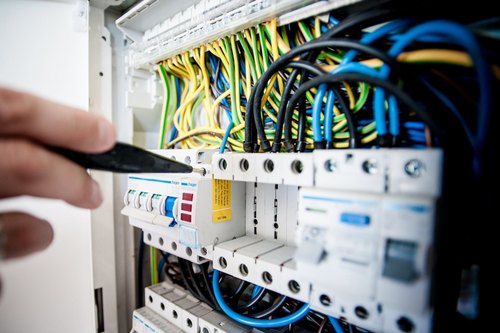
Electrical systems are essential for modern industries, but they can also create serious workplace hazards when they are poorly maintained or improperly operated. Electrical Safety helps protect employees, equipment, buildings, and business operations from hazards such as electric shock, arc flash, electrical fires, short circuits, and equipment failure.
Industrial workplaces often use high-voltage systems, heavy machinery, control panels, motors, transformers, and other electrical equipment. Therefore, following proper electrical safety procedures is essential for preventing accidents and maintaining a safe working environment.
The Safety Master helps organizations improve workplace safety through electrical safety audits, training, risk assessment, thermography studies, arc-flash assessment, and other safety consultancy services.
What Is Electrical Safety?
Electrical safety refers to the practices, procedures, equipment, and precautions used to prevent injuries, fires, equipment damage, and other incidents caused by electricity.
In industrial environments, electrical safety includes safe installation, inspection, operation, maintenance, isolation, testing, and repair of electrical systems.
Why Is Electrical Safety Important?
Electricity can cause serious injuries or fatalities if workers come into contact with energized equipment. Electrical faults can also result in fires, explosions, production interruptions, and expensive equipment damage.
A strong electrical safety program reduces these risks by combining engineering controls, preventive maintenance, employee training, safe work procedures, and appropriate personal protective equipment.
Importance of Electrical Safety in Industries
1. Prevents Electrical Shock
Electric shock is one of the most serious electrical hazards in the workplace. Contact with an energized conductor can cause burns, muscle injuries, cardiac arrest, or death.
Workers should never handle electrical equipment without proper authorization, isolation, and protective measures.
2. Reduces the Risk of Electrical Fires
Faulty wiring, loose connections, overloaded circuits, damaged insulation, and defective equipment can generate excessive heat and lead to electrical fires.
Regular inspection and maintenance can help identify these problems before they become serious incidents.
3. Protects Industrial Equipment
Electrical faults can damage motors, transformers, switchboards, control panels, machines, and other expensive equipment.
Proper preventive maintenance and electrical inspections help identify deterioration and defects before they result in equipment failure.
4. Reduces Production Downtime
An electrical failure can stop an entire production line. Unexpected downtime can result in lost production, delayed deliveries, equipment repair costs, and financial losses.
Effective electrical safety practices help improve equipment reliability and business continuity.
5. Protects Employees and Contractors
Industrial electrical systems can expose employees, contractors, maintenance personnel, and visitors to electrical hazards.
Clear procedures, training, warning signs, access control, and appropriate PPE help reduce exposure to these risks.
Common Electrical Hazards in Industrial Workplaces
Electrical Shock
Electrical shock may occur when a person touches energized equipment, exposed conductors, damaged cables, or faulty electrical components.
Arc Flash
An arc flash can release intense heat, light, pressure, and energy. It can cause severe burns, injuries, equipment damage, and fires.
How to Reduce Arc Flash Risk
Organizations should identify potential arc-flash hazards, maintain electrical equipment properly, follow safe isolation procedures, and ensure workers use suitable PPE where required.
Overloaded Circuits
An overloaded circuit occurs when electrical demand exceeds the capacity of the circuit. Excessive current can cause overheating, insulation damage, breaker trips, and potentially electrical fires.
Damaged Cables and Wiring
Frayed cables, exposed conductors, damaged insulation, loose connections, and incorrect wiring can create serious electrical hazards.
Poor Grounding
Improper grounding can increase the risk of electric shock and equipment damage. Grounding systems should be inspected and maintained as part of an electrical safety program.
Electrical Equipment Failure
Old, damaged, poorly maintained, or incorrectly installed equipment can become a major source of electrical incidents.
Best Practices for Electrical Safety
Conduct Regular Electrical Inspections
Electrical systems should be inspected regularly to identify damaged components, loose connections, overheating, poor grounding, and other unsafe conditions.
Follow Lockout/Tagout Procedures
Before maintenance or repair work, hazardous energy should be isolated using appropriate lockout/tagout procedures. This helps prevent unexpected energization while workers are performing maintenance.
Use Appropriate PPE
Depending on the task and risk assessment, workers may require electrical gloves, safety footwear, eye protection, arc-rated clothing, face protection, and other appropriate PPE.
Keep Electrical Panels Accessible
Electrical panels, switchboards, emergency disconnects, and other critical equipment should remain accessible and clearly identified.
Avoid Overloading Electrical Circuits
Electrical circuits should operate within their designed capacity. Workers should not bypass protective devices or use unsuitable extension arrangements.
Train Employees
Employees who work with or around electrical equipment should receive appropriate electrical safety training. Training should cover hazards, safe operating procedures, emergency response, PPE, and electrical isolation.
Electrical Safety Maintenance Program
Preventive Maintenance
Preventive maintenance helps identify electrical deterioration before it develops into equipment failure or an incident.
Thermography Inspection
Thermography can help identify abnormal temperature patterns and potential overheating in electrical equipment. The Safety Master provides Thermography Study services as part of its electrical safety solutions.
Electrical Safety Audit
An Electrical Safety Audit can help organizations identify unsafe conditions, gaps in procedures, maintenance deficiencies, and opportunities for improvement.
Arc Flash Assessment
An arc-flash assessment can help organizations understand potential arc-flash hazards and establish appropriate safety measures for electrical work.
How Can Companies Improve Electrical Safety?
Companies can improve electrical safety by developing a systematic safety program rather than relying only on PPE or employee awareness.
Identify Electrical Hazards
Conduct workplace inspections and risk assessments to identify electrical hazards associated with machinery, panels, cables, maintenance activities, and electrical installations.
Establish Safe Work Procedures
Develop documented procedures for electrical operation, maintenance, isolation, testing, inspection, and emergency response.
Maintain Electrical Equipment
Use preventive maintenance schedules and keep inspection and maintenance records up to date.
Encourage Safety Reporting
Employees should be encouraged to report damaged cables, exposed wires, overheating equipment, sparks, unusual sounds, and other electrical concerns immediately.
Role of Electrical Safety Training
Electrical safety training helps workers understand the hazards associated with electricity and teaches them how to work safely around electrical systems.
Key Topics in Electrical Safety Training
Training may include:
- Electrical hazard identification
- Electric shock prevention
- Arc-flash awareness
- Electrical PPE
- Lockout/tagout
- Safe electrical work practices
- Emergency response
- Inspection and maintenance
- Safe use of electrical tools
- Reporting unsafe conditions
The Safety Master offers electrical safety training and other workplace safety training solutions to help organizations strengthen their safety practices.
Electrical Emergency Response
Electrical emergencies require quick and controlled action. Workers should not touch an injured person who may still be in contact with an energized source until the electrical hazard has been safely isolated.
What Should Workers Do During an Electrical Emergency?
- Stop work immediately.
- Isolate the electrical source when it is safe to do so.
- Keep unauthorized personnel away from the affected area.
- Contact emergency response personnel.
- Provide first aid or medical assistance according to the organization’s emergency procedure.
- Report and investigate the incident.
Organizations should maintain an emergency response plan and train employees on their responsibilities.
Benefits of a Strong Electrical Safety Program
A properly implemented electrical safety program can provide several benefits:
- Reduces workplace injuries and fatalities
- Helps prevent electrical fires
- Protects expensive equipment
- Reduces unplanned downtime
- Improves maintenance reliability
- Supports regulatory compliance
- Improves employee awareness
- Strengthens safety culture
- Reduces financial losses
- Improves overall operational safety
How The Safety Master Can Help
The Safety Master provides professional safety consultancy, training, and assessment services for organizations looking to improve their electrical and workplace safety performance.
Its electrical safety services include Electrical Safety Audit, Thermography Study, Electrical Safety Documentation and Training, Residual Life Assessment Studies, and Arc Flash Assessment.
Organizations can use these services to identify electrical hazards, evaluate existing controls, improve maintenance practices, and develop stronger electrical safety procedures.
Conclusion
Electrical safety is an essential part of industrial workplace safety. Electrical shock, arc flash, fires, overloaded circuits, faulty wiring, and equipment failures can cause serious injuries, property damage, production losses, and business disruption.
A proactive approach based on Electrical Safety audits, preventive maintenance, employee training, risk assessment, safe work procedures, and appropriate PPE can significantly reduce these risks.
By partnering with The Safety Master, organizations can strengthen their electrical safety systems and create a safer, more reliable workplace.
Frequently Asked Questions
Q-What is electrical safety in industries?
Electrical safety in industries refers to the procedures, controls, training, inspections, and protective measures used to prevent electrical accidents. It covers hazards such as electric shock, arc flash, electrical fires, faulty wiring, overloaded circuits, and equipment failure.
Q-Why is electrical safety important in the workplace?
Electrical safety is important because electrical hazards can cause severe injuries, fatalities, fires, equipment damage, and production downtime. A strong electrical safety program helps identify and control these hazards before they cause an incident.
Q-What are the common electrical hazards in industries?
Common electrical hazards include electric shock, arc flash, short circuits, overloaded circuits, damaged cables, exposed wiring, poor grounding, faulty equipment, loose connections, and improper electrical maintenance.
Q-How can industries prevent electrical accidents?
Industries can prevent electrical accidents through regular inspections, preventive maintenance, electrical safety audits, employee training, lockout/tagout procedures, proper grounding, suitable PPE, safe work procedures, and timely correction of electrical defects.
Q-What is an electrical safety audit?
An electrical safety audit is a systematic assessment of an organization’s electrical systems, equipment, procedures, and practices. It helps identify hazards, unsafe conditions, maintenance gaps, and areas requiring corrective action.
Q-What is the role of PPE in electrical safety?
PPE provides an additional layer of protection against electrical hazards. Depending on the task and risk assessment, workers may require suitable electrical gloves, safety footwear, eye and face protection, and arc-rated protective clothing.
Q-How often should electrical equipment be inspected?
Inspection frequency depends on the type of equipment, operating environment, applicable requirements, manufacturer’s recommendations, and risk level. High-risk electrical systems may require more frequent inspection and preventive maintenance.
Q-What is an arc flash?
An arc flash is a sudden electrical discharge through the air that can release extreme heat, light, pressure, and energy. It can cause severe burns, injuries, fires, and equipment damage.
Q-How does The Safety Master support electrical safety?
The Safety Master supports organizations through services such as Electrical Safety Audit, Thermography Study, Electrical Safety Documentation and Training, Residual Life Assessment Studies, and Arc Flash Assessment.