HAZOP Training for Engineers: Improve Process Safety and Risk Assessment Skills

Fire Safety Audit vs Fire Audit Service: Understanding the Key Differences
July 18, 2026
Electrostatic Hazard Assessment: Complete Guide to Identifying and Controlling Static Risks
July 21, 2026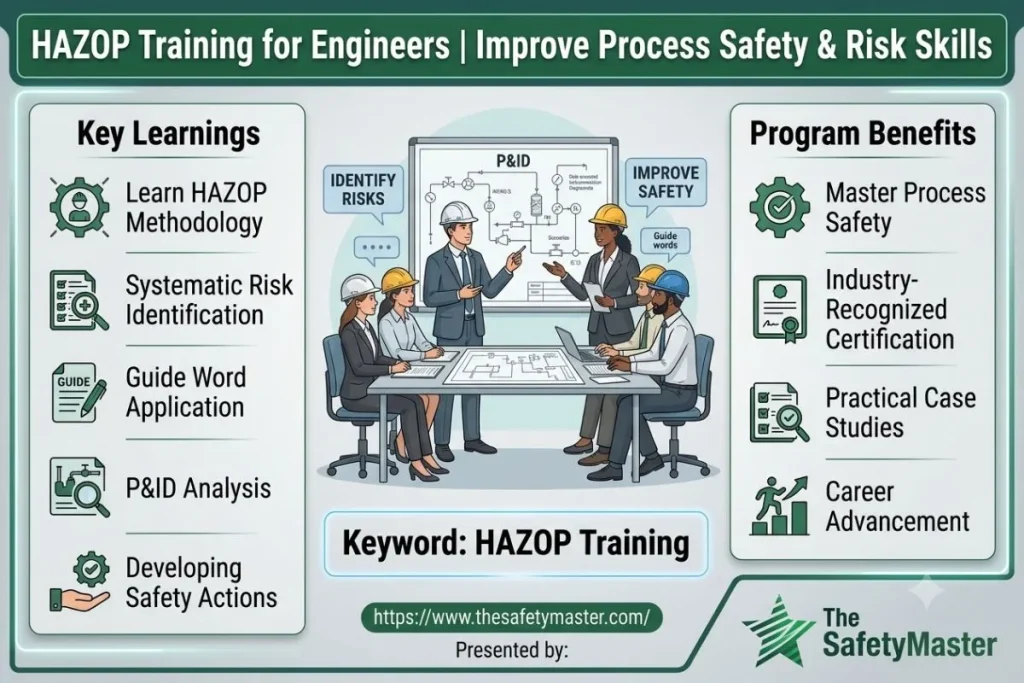
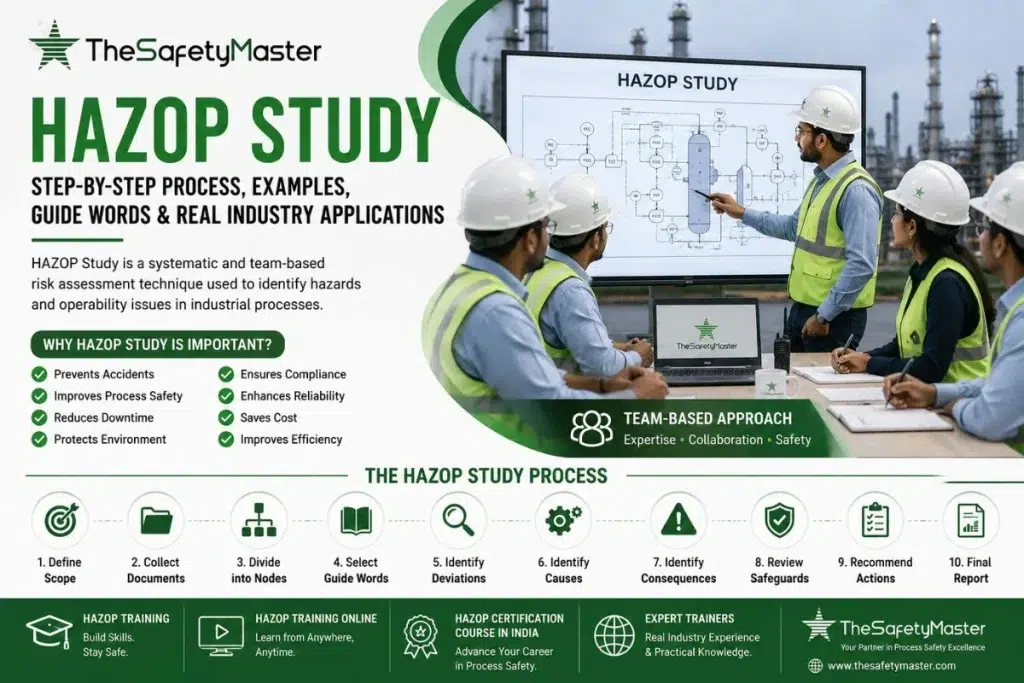
HAZOP Training has become one of the most valuable investments a process, chemical, or safety engineer can make in their career. As industrial plants grow more complex and regulatory scrutiny tightens, the ability to systematically identify hazards before they turn into incidents is no longer optional — it is a core professional skill. Whether you work in oil and gas, pharmaceuticals, petrochemicals, or manufacturing, understanding how a Hazard and Operability Study is conducted equips you to spot deviations, evaluate consequences, and recommend safeguards that protect people, assets, and the environment. This article walks through why this training matters, the different formats available, certification pathways, and the questions engineers most often ask before signing up.
Why HAZOP Training Matters for Engineers
Every process plant carries inherent risk — pressure vessels, reactive chemicals, high temperatures, and complex control systems all interact in ways that can go wrong. A structured hazard review method gives teams a disciplined way to walk through a process design, node by node, and ask “what if this parameter deviates from its intended value?” Engineers who understand this methodology bring more to a design review than technical calculations alone; they bring a mindset trained to anticipate failure before it happens.
Building a Safety-First Mindset
Structured training reshapes how an engineer looks at a P&ID. Instead of only checking that a system works under normal conditions, a trained reviewer instinctively considers deviations such as “more flow,” “less pressure,” “reverse flow,” or “no level,” and traces each one to its potential cause and consequence. This shift in thinking is one of the most lasting benefits of formal instruction, and it carries into everyday engineering decisions long after a workshop ends.
Career and Compliance Benefits
Employers in high-hazard industries increasingly list hazard-study experience as a hiring requirement, and many regulatory frameworks expect a documented, competent review process for new and modified facilities. Engineers who can demonstrate this competency, backed by a recognized course, often find themselves fast-tracked into safety, design, or project leadership roles.
Exploring Free and Paid Learning Options
Not every engineer has a training budget upfront, and fortunately there are multiple entry points depending on experience level and career stage.
Getting Started at No Cost
For engineers early in their careers or exploring the discipline for the first time, free hazop training for engineers improve process safety and risk assessment skills programs offered through vendor webinars, university extension modules, and industry association resources are a practical starting point. These sessions typically cover the fundamentals — guide words, node selection, and basic worksheet structure — giving newcomers enough grounding to participate meaningfully in their first live study before committing to a paid course.
Learning Remotely at Your Own Pace
Many working professionals cannot step away from ongoing projects for a multi-day in-person workshop, which is why hazop training for engineers improve process safety and risk assessment skills online has grown so popular. Remote formats combine recorded lectures, interactive worksheet exercises, and virtual breakout sessions that simulate a real study team, allowing engineers to build practical skills around existing work schedules without sacrificing depth of learning.
Certification Pathways Worth Knowing
Certification adds credibility to hands-on knowledge and signals to employers that an engineer has met a defined competency standard.
No-Cost Certificate Options
Some training providers and safety councils now offer HAZOP Certification online free as an introductory credential, usually after completing a short e-learning module and passing a basic assessment. While these entry-level certificates are lighter in scope than facilitator-level credentials, they serve as a useful first step for engineers building a safety-focused resume or preparing for more advanced coursework.
Domestic Course Availability
Engineers based in South Asia increasingly have local access to structured programs, and a hazop certification course in india is now offered by several engineering institutes, safety consultancies, and corporate training centers in cities such as Mumbai, Chennai, Vadodara, and Delhi NCR. Local delivery reduces travel costs and allows classroom discussion grounded in region-specific plant examples and regulatory context.
Internationally Recognized Standards
For engineers seeking the most widely respected credential in this field, IChemE HAZOP training is generally considered the benchmark, since the Institution of Chemical Engineers has long been associated with process safety competency frameworks used across the global chemical and process industries. Courses aligned with this standard tend to go deeper into facilitator responsibilities, team dynamics, and documentation quality than introductory programs.
What to Budget For
Course fees vary considerably based on depth, duration, and delivery format, and understanding hazop certification cost ahead of time helps engineers or their employers plan appropriately; short online awareness courses may cost relatively little, while multi-day facilitator or leader certifications backed by professional institutions sit at a higher price point reflecting the practical assessment and instructor time involved.
Choosing the Right Format for Your Schedule
Flexibility in delivery has made this discipline more accessible than ever before.
Live Virtual Classrooms
Structured HAZOP training online through live virtual classrooms pairs the convenience of remote access with real-time instructor interaction, letting participants ask questions, work through sample nodes collaboratively, and receive immediate feedback — closely replicating the dynamic of an in-person session.
Self-Paced Modules
For engineers who prefer complete control over their study schedule, self-paced e-learning platforms break the curriculum into short modules covering guide words, node identification, risk ranking, and recommendation tracking, which can be completed over several weeks alongside regular work commitments.
Applying the Skills in Real Projects
Participating in Your First Study
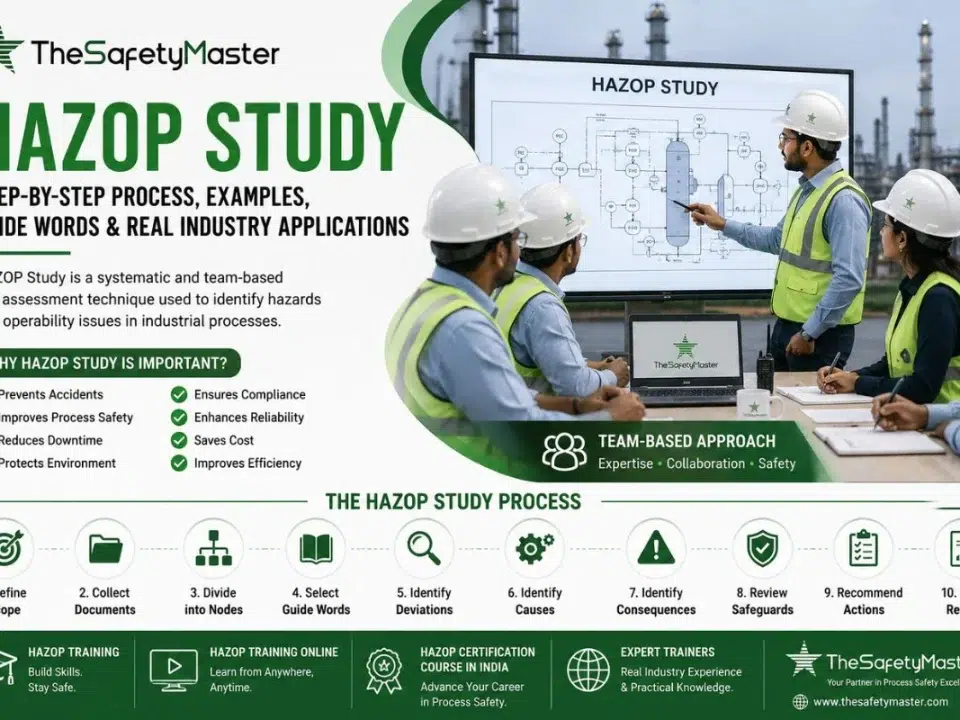
New engineers are often assigned as scribes or team members before progressing to facilitator roles. This hands-on exposure to a live hazop study is where classroom concepts are tested against real process complexity, ambiguous documentation, and time-pressured discussions — making early participation an essential complement to formal coursework.
Moving Toward Facilitation
With repeated study participation and additional coursework, engineers can progress toward facilitating sessions themselves, managing team discussions, keeping the review on schedule, and ensuring every credible deviation is captured and closed out with a clear action owner.
Conclusion
Investing in HAZOP Training pays measurable dividends across an engineering career — sharper hazard identification, stronger design reviews, and better standing with employers who prioritize process safety. Whether you start with a free introductory module, pursue a certification course in your home country, or work toward an internationally recognized credential, the structured discipline you gain will shape how you evaluate risk for the rest of your career.
Frequently Asked Questions
Is HAZOP training necessary for all process engineers?
It isn’t mandatory for every role, but engineers involved in design review, commissioning, or process safety management benefit significantly from understanding the methodology, even if they never formally facilitate a study.
How long does a typical HAZOP course take to complete?
Introductory online modules can be completed in a few hours, while comprehensive facilitator-level programs often run three to five days, depending on the provider and depth of practical exercises included.
Can I get certified without prior process industry experience?
Yes, entry-level certificates are generally open to engineering students and early-career professionals, though practical facilitator credentials typically expect some exposure to process plant documentation.
What is the difference between HAZOP and other risk assessment methods?
A HAZOP study focuses on identifying deviations from design intent using structured guide words, whereas other methods like FMEA or What-If analysis use different structures to evaluate equipment failure modes or open-ended scenario questions.
Does certification expire or need renewal?
This depends on the issuing body; some certificates are lifetime credentials, while professional-body certifications may require periodic refresher training to remain current with evolving industry practice.