Enhancing Fire Safety: The Crucial Role of Fire Safety Audits

Mastering the HIRA Method: A Comprehensive Study and Training Guide
October 19, 2023
Process Hazards Analysis
October 19, 2023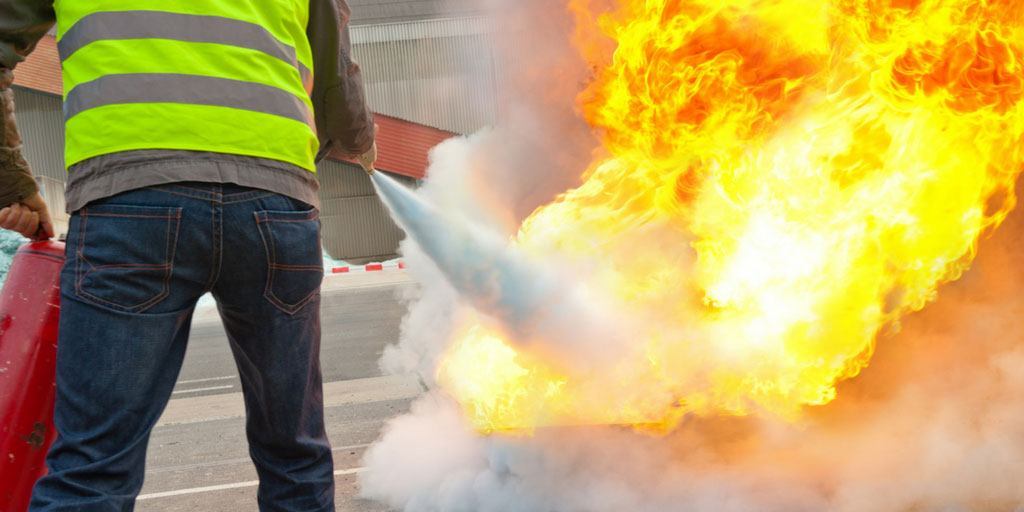
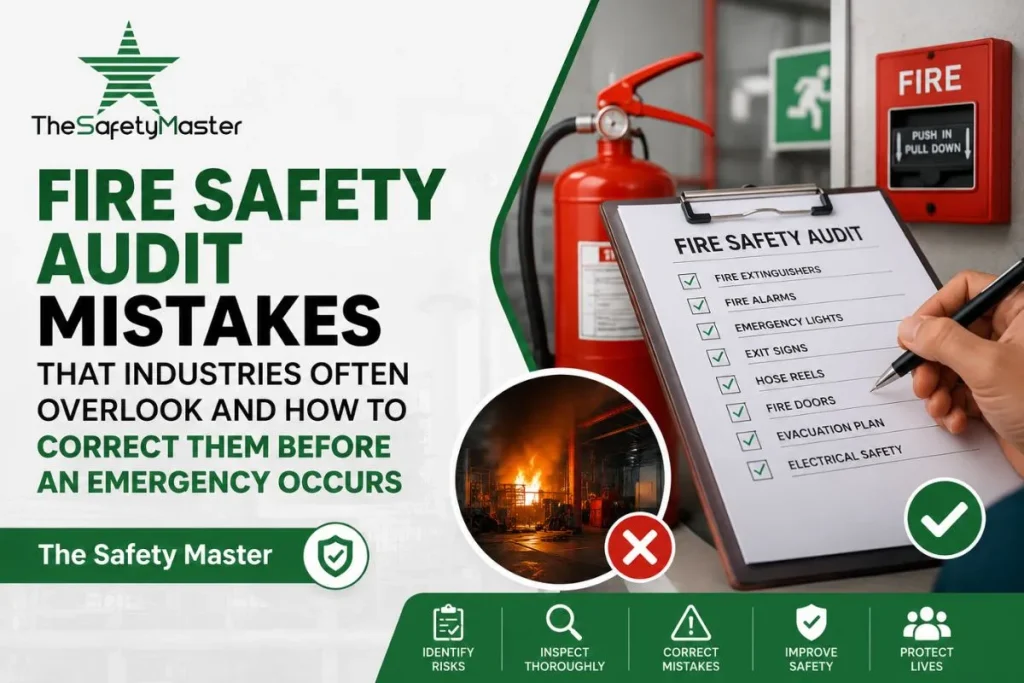
Fire safety is an important part of protecting people, property, equipment, and business operations. A small fire can quickly become a major emergency when hazards are not identified and controlled properly. This is why regular Fire Safety Audit activities are important for workplaces, commercial buildings, factories, warehouses, hotels, hospitals, and other facilities.
A fire audit helps organizations identify fire hazards, check existing fire protection systems, review emergency arrangements, and understand areas that need improvement. The Safety Master provides professional safety solutions that help organizations improve fire prevention, preparedness, and compliance.
What Is a Fire Safety Audit?
A Fire Safety Audit is a systematic examination of a building, workplace, facility, or industrial site to identify fire hazards and evaluate the effectiveness of existing fire prevention and protection measures.
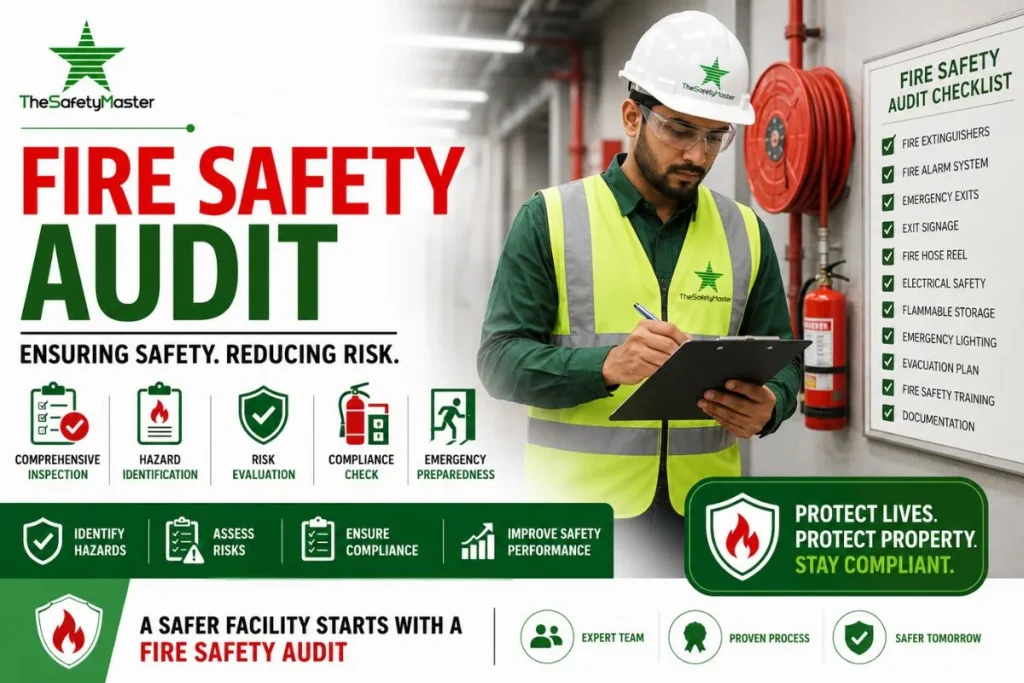
The audit generally reviews:
- Fire hazards and ignition sources
- Fire extinguishers and firefighting equipment
- Fire alarm and detection systems
- Emergency exits and escape routes
- Emergency lighting
- Fire hydrant and sprinkler systems
- Electrical safety conditions
- Storage and housekeeping practices
- Emergency response procedures
- Fire safety training and awareness
- Evacuation arrangements
- Fire safety documentation
The objective is not simply to find problems. A good audit also provides practical recommendations to reduce fire risk and improve overall safety performance.
Why Is a Fire Safety Audit Important?
Fire incidents can cause injuries, loss of life, property damage, production losses, and business interruption. Regular auditing helps organizations identify weaknesses before they contribute to a serious incident.
Identifying Fire Hazards
A professional audit can identify common hazards such as overloaded electrical systems, combustible materials, blocked exits, poor housekeeping, improper chemical storage, and unsafe work practices.
Checking Fire Protection Systems
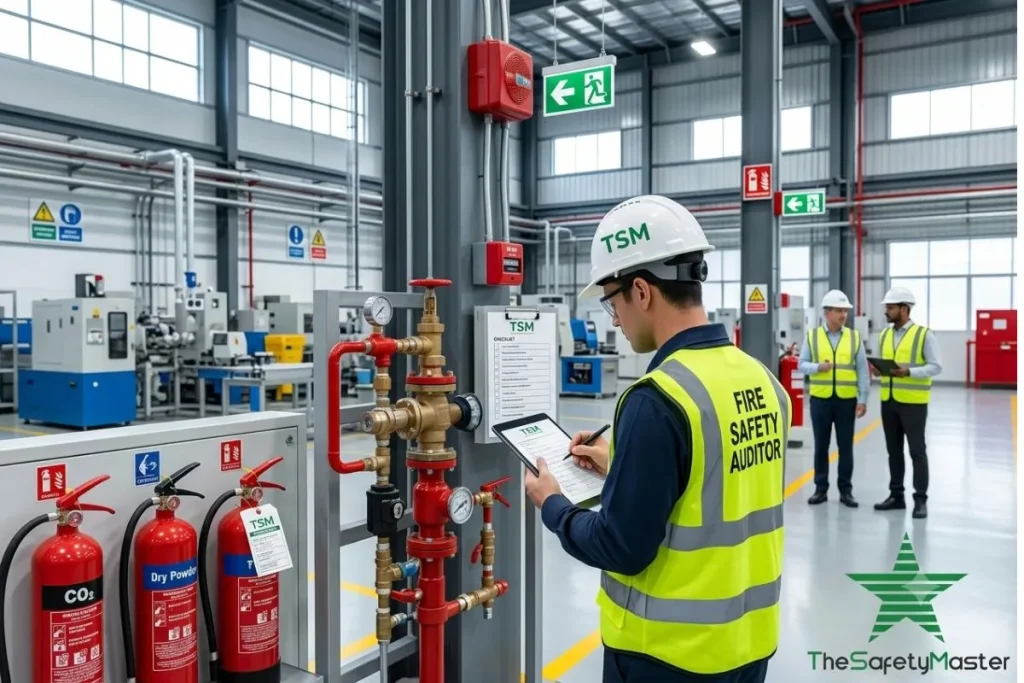
Fire extinguishers, fire alarms, hydrants, sprinklers, smoke detectors, and other systems need regular inspection and maintenance. An audit helps determine whether these systems are available, accessible, suitable, and maintained properly.
Improving Emergency Preparedness
Employees should know what to do during a fire emergency. Audits review emergency plans, evacuation routes, assembly areas, emergency communication, and employee awareness.
Supporting Fire Safety Compliance
Organizations need to follow applicable fire safety requirements and maintain appropriate safety records. A Fire Safety Audit can help identify gaps that may require corrective action.
Key Areas Covered During a Fire Safety Audit
A comprehensive audit should consider both physical safety measures and management systems.
Fire Detection and Alarm Systems
Auditors examine whether fire detection and alarm systems are installed appropriately and whether they are accessible, maintained, and tested according to applicable requirements.
Fire Extinguishers and Firefighting Equipment
The audit checks the availability, location, accessibility, condition, identification, and maintenance of firefighting equipment.
Emergency Exits and Escape Routes
Emergency exits must remain accessible and clearly identified. Escape routes should not be blocked by materials, equipment, furniture, or other obstructions.
Electrical Fire Safety
Electrical faults are a common concern in many workplaces. The audit may review electrical panels, wiring conditions, temporary connections, overloading, equipment maintenance, and other potential sources of electrical fire.
Housekeeping and Storage
Poor housekeeping can increase fire risk. Combustible waste, packaging materials, chemicals, flammable substances, and other materials should be stored and managed appropriately.
Emergency Response and Evacuation
The audit reviews whether employees understand emergency procedures and whether evacuation plans, assembly points, emergency contacts, and fire response responsibilities are clearly established.
Fire Safety Audit Process
A systematic approach makes the audit more effective and useful.
Step 1: Pre-Audit Planning
The auditor understands the facility, its activities, processes, occupancy, major hazards, and available fire safety documentation.
Step 2: Site Inspection
A physical inspection is carried out to identify fire hazards and assess existing fire prevention and protection systems.
Step 3: Document Review
Relevant documents, inspection records, maintenance reports, training records, emergency plans, and other safety documentation may be reviewed.
Step 4: Risk Identification
The identified hazards are evaluated based on their potential consequences and likelihood.
Step 5: Gap Identification
Existing fire safety arrangements are compared with applicable requirements, standards, procedures, and good practices.
Step 6: Corrective Recommendations
The auditor provides practical recommendations to address identified gaps and reduce fire risk.
Step 7: Fire Safety Audit Report
The findings are documented in a structured report that can help management prioritize corrective actions.
Benefits of Regular Fire Safety Audits
Regular audits provide several important benefits for organizations.
- Helps identify fire hazards early
- Improves workplace fire safety
- Supports emergency preparedness
- Helps protect employees and visitors
- Improves fire protection system performance
- Identifies maintenance and housekeeping gaps
- Supports safety compliance
- Reduces potential property losses
- Improves employee awareness
- Supports continuous safety improvement
Fire Safety Audit for Different Industries
Fire risks can vary significantly depending on the type of facility and activities performed.
Manufacturing and Industrial Facilities
Factories may have machinery, electrical systems, combustible materials, chemicals, production processes, and storage areas that require detailed fire risk evaluation.
Offices and Commercial Buildings
Office buildings require attention to electrical systems, emergency exits, fire detection systems, evacuation procedures, and employee awareness.
Hotels and Hospitality Facilities
Hotels need strong fire safety arrangements because they accommodate guests who may be unfamiliar with the building’s emergency exits and procedures.
Warehouses
Warehouses may contain large quantities of combustible materials and require careful assessment of storage arrangements, fire protection systems, access routes, and emergency response.
How to Improve Fire Safety After an Audit
Completing an audit is only the beginning. Organizations should take action on the findings.
Prioritize High-Risk Findings
Critical hazards should be addressed first, particularly those that could result in serious injury, loss of life, or major property damage.
Maintain Fire Protection Equipment
Fire extinguishers, alarms, hydrants, sprinklers, emergency lighting, and other systems should be inspected and maintained regularly.
Train Employees
Employees should understand fire prevention, alarm response, extinguisher use where appropriate, evacuation procedures, and emergency reporting.
Conduct Emergency Drills
Regular fire drills help employees understand evacuation procedures and allow management to identify weaknesses in emergency response arrangements.
Monitor Corrective Actions
Management should track audit recommendations until corrective actions are completed and verified.
Fire Safety Audit Checklist
A basic audit checklist can include:
- Fire extinguishers
- Fire alarm systems
- Smoke and heat detectors
- Fire hydrants
- Sprinkler systems
- Emergency exits
- Exit signage
- Emergency lighting
- Electrical installations
- Combustible material storage
- Flammable material storage
- Housekeeping
- Emergency response plans
- Fire evacuation plans
- Fire safety training
- Fire drills
- Inspection and maintenance records
A detailed checklist should always be adapted to the facility, processes, occupancy, hazards, and applicable requirements.
Why Choose The Safety Master for Fire Safety Audits?
The Safety Master focuses on practical safety solutions designed around the specific risks and operational conditions of an organization.
A professional audit approach can help businesses understand their current fire safety condition, identify gaps, prioritize corrective actions, and strengthen emergency preparedness.
Instead of treating fire safety as a one-time activity, organizations should make auditing and corrective action part of their continuous safety management system.
Conclusion
A Fire Safety Audit is an important tool for identifying fire hazards, evaluating fire protection arrangements, improving emergency preparedness, and reducing potential losses. Regular audits help organizations move from reactive fire response toward proactive fire prevention.
Whether it is an industrial facility, office, hotel, warehouse, commercial building, or other workplace, a structured fire safety audit can reveal gaps that may otherwise remain unnoticed. With proper corrective actions, employee training, equipment maintenance, and regular reviews, organizations can create a safer environment.
The Safety Master can support organizations in strengthening their fire safety practices through professional safety and risk-management solutions.
FAQs
Q-What is the main purpose of a Fire Safety Audit?
The main purpose is to identify fire hazards, evaluate existing fire protection measures, identify safety gaps, and recommend corrective actions to improve fire safety.
Q-How often should a Fire Safety Audit be conducted?
The frequency depends on the type of facility, level of fire risk, applicable requirements, changes in operations, and previous audit findings. Higher-risk facilities may require more frequent reviews.
Q-What is checked during a Fire Safety Audit?
A fire audit may check fire extinguishers, alarms, hydrants, sprinklers, emergency exits, electrical systems, storage, housekeeping, emergency procedures, training, drills, and safety documentation.
Q-Is a Fire Safety Audit required for every industry?
Fire safety requirements vary according to the building, occupancy, activities, location, and applicable regulations. Organizations should determine the requirements relevant to their facility.
Q-What happens after a Fire Safety Audit?
The findings are documented, risks are prioritized, and corrective actions are recommended. Management should implement the actions and monitor their completion.
Q-Can a Fire Safety Audit reduce fire risk?
Yes. An effective audit can identify hazards and weaknesses before they contribute to an incident. However, risk reduction also depends on implementing and maintaining the recommended corrective actions.