Future trends & innovations in HAZOP safety audit leveraging technology & data analytics for improved risk assessment

Crane Safety: Rigging Practices, Load Limits, and Crane Operation Protocols – The Safety Master
April 27, 2024
Maximizing the Impact of Your Safety Audit & Strategies for Effective Implementation and Follow-Up
May 4, 2024
Introduction to HAZOP Safety Audit
Industrial processes are becoming more complex, and traditional safety assessment methods alone may not be enough to identify every potential hazard. A HAZOP Safety Audit provides a systematic approach to identifying process deviations, operational hazards and potential consequences before they result in incidents.
Today, technologies such as artificial intelligence, predictive analytics, Internet of Things (IoT), automation and real-time monitoring are changing the way industries perform risk assessments. These technologies help safety teams analyze larger amounts of information, detect abnormal conditions and make faster, data-driven decisions.
The Safety Master focuses on modern safety and process safety practices that help organizations improve hazard identification, risk management and operational reliability.
What Is a HAZOP Safety Audit?
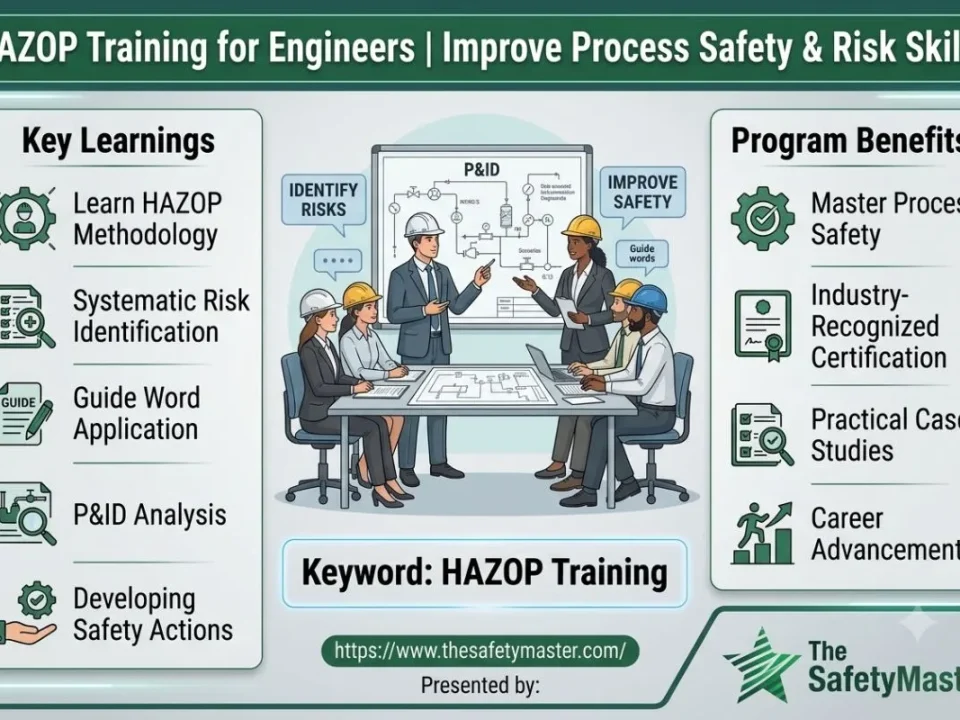
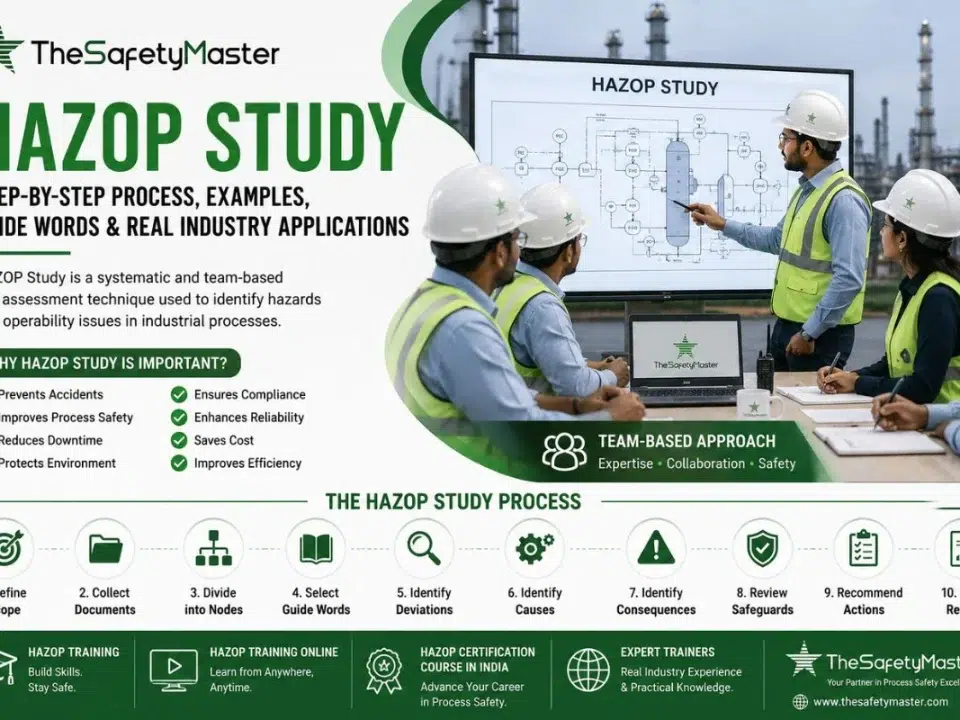
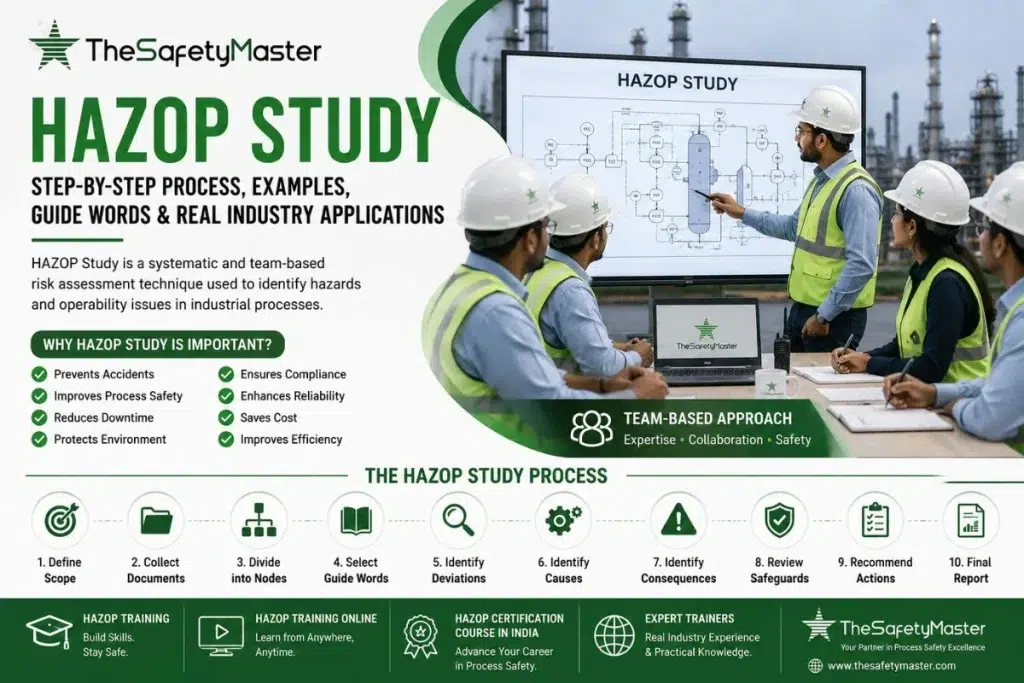
A HAZOP, or Hazard and Operability Study, is a structured method used to identify hazards and operability problems associated with industrial processes. A multidisciplinary team reviews process parameters, deviations, causes, consequences and existing safeguards.
A HAZOP Safety Audit can be particularly valuable in industries such as:
- Oil and gas
- Chemical manufacturing
- Pharmaceuticals
- Petrochemicals
- Power generation
- Food processing
- Manufacturing
- Storage and handling facilities
Why HAZOP Is Important for Industrial Safety
HAZOP helps organizations identify potential problems before they become incidents. It can reveal weaknesses in process design, operating procedures, instrumentation, safeguards and emergency systems.
When HAZOP findings are properly documented and followed up, organizations can strengthen their risk controls and improve overall process safety.
Limitations of Traditional HAZOP Safety Audits
Traditional HAZOP studies remain valuable, but they can become challenging when processes involve large amounts of technical information.
Manual Data Collection
Collecting information manually from drawings, procedures, inspection records and operating data can take considerable time.
Dependence on Expert Judgment
HAZOP relies heavily on the knowledge and experience of the study team. Although expert judgment is essential, human limitations can sometimes result in missed patterns or inconsistencies.
Difficulty Handling Large Data Volumes
Modern industrial facilities generate enormous quantities of process and equipment data. Reviewing all of this information manually can be difficult.
Delayed Identification of Emerging Risks
Traditional assessments may be performed periodically, while operating conditions can change continuously. This creates a need for more dynamic and data-driven risk monitoring.
How Technology Is Transforming HAZOP Safety Audits
Technology is helping safety professionals move from reactive assessments toward more proactive risk management.
Digital HAZOP Platforms
Digital HAZOP platforms can help teams organize study nodes, deviations, causes, consequences, safeguards, recommendations and action tracking in one centralized system.
Benefits of Digital HAZOP
Digital systems can help organizations:
- Improve documentation
- Reduce repetitive administrative work
- Track recommendations
- Improve collaboration
- Maintain historical records
- Monitor action closure
- Generate reports more efficiently
Artificial Intelligence in HAZOP
Artificial intelligence can support safety teams by analyzing large datasets and identifying patterns that may be difficult to detect manually.
AI can potentially assist with:
- Identifying recurring process deviations
- Reviewing historical incident information
- Finding patterns in equipment failures
- Supporting risk analysis
- Prioritizing safety recommendations
- Detecting abnormal operating conditions
AI should support—not replace—experienced HAZOP professionals and engineering judgment.
Data Analytics for Improved Risk Assessment
Data analytics is becoming an important part of modern process safety management. Industrial organizations can use operational, maintenance, inspection and incident data to identify trends and potential risks.
Predictive Analytics
Predictive analytics uses historical and real-time data to identify patterns that may indicate future equipment or process problems.
For example, abnormal temperature, pressure, vibration or flow trends could indicate a developing equipment problem. Early identification allows organizations to investigate and take preventive action.
Real-Time Risk Monitoring
Real-time monitoring systems continuously collect information from equipment and processes. When parameters move outside predefined limits, alerts can help responsible personnel respond quickly.
This approach can improve situational awareness and support proactive risk management.
IoT and HAZOP Safety Audits
The Internet of Things (IoT) allows sensors and connected devices to continuously collect operational information.
How IoT Supports Process Safety
IoT sensors can monitor parameters such as:
- Temperature
- Pressure
- Flow
- Vibration
- Gas concentration
- Equipment condition
- Environmental conditions
This information can provide safety teams with a more current understanding of process conditions.
IoT-Based Early Warning Systems
When abnormal conditions are detected, connected systems can generate alerts. Early warnings can help operators investigate deviations before they develop into more serious events.
Automation in HAZOP Risk Assessment
Automation can reduce repetitive work associated with data collection, documentation and monitoring.
Automated Data Collection
Instead of depending entirely on manual observations, organizations can collect process information directly from connected systems and sensors.
Automated Action Tracking
HAZOP recommendations can be assigned to responsible personnel with deadlines and status tracking. This helps prevent important recommendations from being forgotten.
Machine Learning and Predictive Safety
Machine learning can identify relationships and patterns within historical operational data.
Predicting Equipment Failures
Machine learning models can analyze information such as vibration, temperature, pressure and maintenance history to identify indicators of possible equipment failure.
Identifying Abnormal Process Conditions
Machine learning can also support anomaly detection by comparing current operating conditions with expected patterns.
This can help safety and operations teams investigate unusual conditions earlier.
Digital Twins and HAZOP
Digital twin technology creates a digital representation of a physical asset, process or facility.
How Digital Twins Can Support HAZOP
A digital twin can help organizations understand how process changes may affect operations and safety.
It may support:
- Scenario analysis
- Process optimization
- Risk visualization
- Equipment performance monitoring
- Change assessment
- Safety training
Digital Simulation of Hazard Scenarios
Organizations can use simulation environments to examine potential abnormal conditions without exposing workers or equipment to unnecessary risk.
Augmented Reality and Virtual Reality for Safety
AR and VR technologies are creating new opportunities for safety training and hazard visualization.
AR-Based Safety Training
Augmented reality can overlay digital information onto a physical environment. Workers can use AR-based training to understand hazards, procedures and emergency responses.
VR-Based HAZOP Training
Virtual reality can simulate hazardous situations in a controlled environment. This allows employees to practice responding to scenarios without experiencing the actual hazard.
Wearable Technology for Worker Safety
Wearable devices can provide additional information about worker conditions and workplace environments.
Examples of Wearable Safety Technology
Depending on the application, wearable devices can monitor or support:
- Worker location
- Exposure conditions
- Emergency alerts
- Environmental hazards
- Fatigue indicators
- Communication
When integrated appropriately, wearable technology can provide another layer of information for safety management.
Cloud-Based HAZOP Management
Cloud technology makes safety information accessible to authorized users across locations.
Advantages of Cloud-Based Safety Systems
Cloud-based systems can help organizations:
- Centralize safety data
- Improve collaboration
- Access information remotely
- Track recommendations
- Maintain version-controlled records
- Support multi-site safety management
Integration of HAZOP With Other Risk Assessment Methods
The future of process safety will not depend on HAZOP alone. Organizations can integrate HAZOP findings with other risk assessment techniques.
HAZOP and HIRA
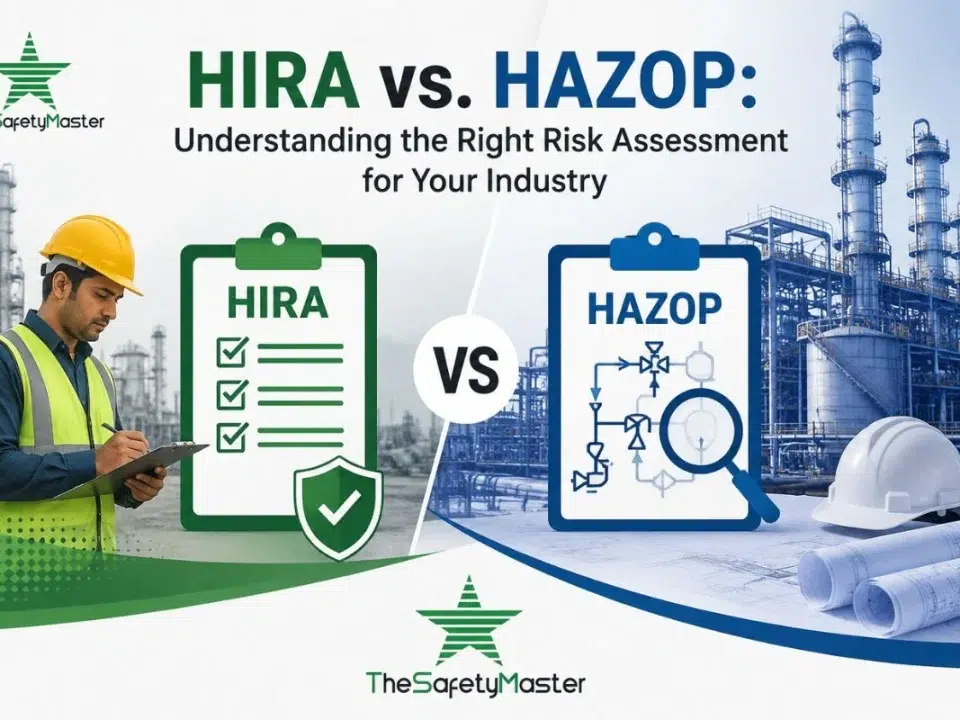
HAZOP focuses primarily on process deviations and operability issues, while HIRA provides a broader approach to hazard identification and risk assessment.
HAZOP and LOPA
HAZOP findings can be used to identify scenarios that may require further analysis through Layers of Protection Analysis (LOPA).
HAZOP and QRA
Quantitative Risk Assessment (QRA) can provide numerical estimates of risk for selected scenarios, helping organizations make informed decisions about risk reduction.
Data-Driven Safety Dashboards
Safety dashboards can bring important information into a single visual interface.
What Can a Safety Dashboard Monitor?
A modern dashboard may display:
- Open HAZOP recommendations
- Overdue actions
- Incident trends
- Equipment abnormalities
- Safety observations
- Audit findings
- Risk levels
- Corrective action performance
Why Safety Dashboards Matter
Visual dashboards allow management and safety professionals to quickly understand safety performance and prioritize areas that require attention.
Future Trends in HAZOP Safety Audit
The future of HAZOP Safety Audit is likely to become increasingly digital, connected and data-driven.
AI-Assisted HAZOP Studies
AI-based tools may increasingly assist teams in reviewing large datasets, identifying patterns and organizing information.
Real-Time Risk Assessment
Instead of relying only on periodic assessments, organizations will increasingly use real-time operational information to understand changing risk conditions.
Greater Integration of IoT
Connected sensors will provide continuous data from equipment and processes, improving visibility of operational conditions.
Advanced Predictive Analytics
Predictive models will increasingly help organizations identify potential failures and abnormal conditions before they escalate.
More Immersive Safety Training
AR and VR can make safety training more realistic and interactive, particularly for high-risk industrial environments.
Integrated Digital Safety Ecosystems
Future safety management systems will increasingly connect HAZOP, HIRA, LOPA, QRA, audits, incident management, maintenance and corrective actions.
Benefits of Technology-Enabled HAZOP Safety Audits
Technology can provide several advantages when implemented correctly.
Improved Risk Identification
Data-driven tools can help identify patterns and deviations that may not be obvious during manual reviews.
Faster Decision-Making
Real-time information allows safety and operations teams to respond more quickly to changing conditions.
Better Action Tracking
Digital systems make it easier to assign, monitor and close HAZOP recommendations.
Reduced Operational Downtime
Predictive monitoring can help identify equipment problems before they develop into major failures.
Better Safety Performance
Combining expert knowledge with technology and analytics can strengthen the organization’s overall risk management approach.
Challenges of Implementing Digital HAZOP
Technology also introduces new challenges that organizations must consider.
Data Quality
Poor-quality, incomplete or inaccurate data can produce unreliable analytical results.
Cybersecurity
Connected safety systems must be protected against unauthorized access and cyber threats.
Employee Training
Employees need appropriate training to use digital systems effectively.
Integration With Existing Systems
New HAZOP technologies may need to integrate with existing process control, maintenance and safety management systems.
Human Oversight
Technology should complement professional expertise. Final safety decisions should remain under appropriate engineering and safety oversight.
Best Practices for Implementing Technology in HAZOP
Organizations planning to modernize their HAZOP process should consider the following practices:
- Define clear safety objectives.
- Select technology based on actual operational needs.
- Ensure data quality and reliability.
- Train HAZOP team members and users.
- Integrate digital tools with existing systems.
- Establish cybersecurity controls.
- Track recommendations until closure.
- Regularly evaluate system performance.
- Maintain human oversight of safety-critical decisions.
- Continuously improve the HAZOP process based on lessons learned.
Role of The Safety Master in Modern Process Safety
The Safety Master supports organizations in strengthening their safety and process safety practices through services, training and digital safety solutions.
As industrial safety continues to evolve, organizations need to combine established risk assessment methodologies with modern technologies such as analytics, automation and connected monitoring systems.
A technology-enabled approach to HAZOP Safety Audit can help organizations improve hazard identification, strengthen decision-making and develop a more proactive safety culture.
Conclusion
The future of HAZOP Safety Audit is moving toward a more connected, intelligent and data-driven approach. Artificial intelligence, predictive analytics, IoT, automation, digital twins, real-time monitoring, AR and VR are creating new opportunities for organizations to improve risk assessment.
However, technology alone cannot guarantee safety. The strongest results come from combining reliable data, advanced technology, experienced professionals and strong safety management systems.
By adopting the right digital tools and continuously improving their risk assessment processes, organizations can move from reactive safety management toward proactive risk prevention. The Safety Master can help organizations understand and implement modern approaches to process safety, risk assessment and HAZOP.
Frequently Asked Questions (FAQs)
Q-What is a HAZOP Safety Audit?
A HAZOP Safety Audit is a systematic review used to identify process deviations, potential hazards, causes, consequences and existing safeguards. It helps organizations identify and manage risks before they lead to incidents.
Q-How is technology improving HAZOP studies?
Technology improves HAZOP by supporting digital documentation, real-time monitoring, data analytics, automation, predictive analysis and action tracking. These tools can make safety assessments more efficient and data-driven.
Q-Can AI replace a HAZOP team?
No. AI can support the HAZOP process by analyzing data, identifying patterns and assisting with documentation, but experienced engineers and safety professionals are still required for technical judgment and final decisions.
Q-What role does data analytics play in HAZOP?
Data analytics helps organizations analyze historical and real-time operational information to identify trends, anomalies and potential risks. It can support predictive risk assessment and better safety decisions.
Q-How does IoT support HAZOP safety?
IoT sensors can continuously monitor parameters such as pressure, temperature, flow, vibration and gas concentration. This real-time information can help identify abnormal conditions and provide early warnings.
Q-What is predictive analytics in process safety?
Predictive analytics uses historical and current data to identify patterns that may indicate future equipment failures or process deviations. It allows organizations to investigate potential problems before they become serious incidents.
Q-What are the future trends in HAZOP?
Major trends include AI-assisted HAZOP, predictive analytics, IoT sensors, real-time risk monitoring, digital twins, cloud-based systems, automation, AR/VR training and integrated digital safety management platforms.
Q-Why should companies modernize their HAZOP process?
Modernizing HAZOP can improve data analysis, recommendation tracking, real-time risk awareness and decision-making. It can also help organizations manage complex processes and large volumes of operational information more effectively.