The Ultimate Guide to Implementing BIS14489 Safety Audit Standards

The Role of Leadership in Driving Safety Culture Transformation
June 6, 2023
The Importance of Electrical Safety Audits: Protecting Your Employees and Business
June 6, 2023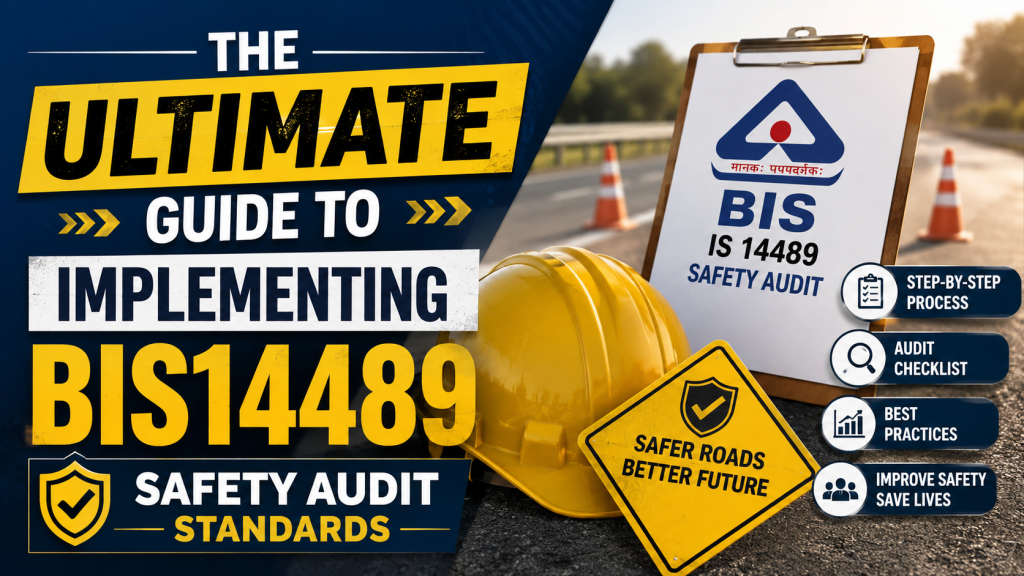
Safety audits play an important role in identifying workplace hazards, evaluating existing safety practices, and improving overall risk management. BIS 14489 provides a structured approach for conducting occupational safety and health audits and helps organizations assess whether their systems, procedures, and practices are working effectively. For organizations seeking practical guidance on workplace safety, the safety master approach emphasizes systematic assessment, corrective action, employee awareness, and continuous improvement.
Implementing BIS 14489 Safety Audit Standards is not simply about completing an audit checklist. It involves understanding workplace risks, reviewing safety systems, identifying gaps, assigning corrective actions, and monitoring improvements. A properly planned audit can help organizations create safer working conditions while strengthening operational efficiency and safety awareness.
Understanding BIS 14489 Safety Audit Standards
BIS 14489 provides guidance for carrying out occupational safety and health audits. The standard focuses on systematically examining workplace activities, procedures, facilities, equipment, and safety management practices to identify areas that may create risks.
A safety audit generally evaluates whether an organization has appropriate safety policies and whether those policies are being implemented effectively. It also helps identify hazards, assess existing controls, and determine where additional preventive or corrective measures may be necessary.
Understanding the standard before beginning an audit is essential. Organizations should familiarize their management and safety teams with the audit objectives, applicable requirements, workplace hazards, documentation requirements, and responsibilities of different departments.
Preparing for a BIS 14489 Safety Audit
Proper preparation can significantly improve the effectiveness of a safety audit. The first step is to define the scope and objectives of the audit. The organization should determine which departments, processes, facilities, equipment, and activities will be reviewed.
A comprehensive audit checklist should then be prepared. It may cover areas such as safety policies, emergency preparedness, personal protective equipment, machinery safety, electrical systems, fire prevention, chemical handling, housekeeping, employee training, incident records, and workplace procedures.
The audit team should consist of competent individuals who understand workplace safety requirements and have sufficient knowledge of the operations being evaluated. Depending on the organization’s size and activities, specialists may also be involved in reviewing technical areas.
Employees should also be informed about the purpose of the audit. Clear communication helps prevent misunderstandings and encourages workers to participate honestly in the process.
Conducting the Implementation Audit
Once preparation is complete, the organization can begin the implementation audit. The purpose is to compare actual workplace practices with established safety requirements and organizational procedures.
Auditors may review documents, inspect work areas, interview employees, observe operations, and examine records of incidents, training, inspections, and maintenance. These activities provide evidence about how effectively safety procedures are being implemented.
During the audit, it is important to look beyond documentation. A company may have detailed safety policies, but the real question is whether employees understand and follow those policies during everyday operations.
Any discrepancies should be documented clearly. Findings may include unsafe conditions, inadequate procedures, insufficient training, poor housekeeping, missing records, or ineffective control measures. Each finding should be supported by objective evidence wherever possible.
Creating an Effective Corrective Action Plan
After the audit, the organization should develop a corrective action plan based on the identified findings. This plan should clearly describe what needs to be corrected, who is responsible, what resources are required, and when the action should be completed.
Prioritizing corrective actions is particularly important. Hazards that could result in serious injury, significant property damage, or major operational disruption should receive immediate attention.
A practical action plan can include:
- Description of the identified safety issue
- Risk level or priority
- Corrective action required
- Responsible department or person
- Target completion date
- Resources required
- Verification method
- Status of implementation
Management should regularly review the progress of corrective actions. Simply identifying a problem does not improve workplace safety unless appropriate measures are implemented and verified.
Maintaining BIS 14489 Compliance
Safety management should not stop once the audit is completed. Continuous monitoring is necessary to maintain effective safety practices.
Organizations should conduct regular inspections, review safety procedures, monitor incidents, and evaluate whether corrective actions remain effective. Changes in equipment, processes, workforce, materials, or legal requirements may also create new risks that need to be assessed.
Employee training is another important component of ongoing safety management. Workers should understand the hazards associated with their tasks, appropriate control measures, emergency procedures, and the correct use of personal protective equipment.
Periodic internal audits can help organizations identify problems before they become serious. Management reviews should also be used to evaluate overall safety performance and determine whether additional improvements are required.
Benefits of Implementing BIS 14489 Safety Audit Standards
A well-implemented safety audit system can provide several benefits to an organization. One of the most important is improved hazard identification. Regular audits help organizations discover unsafe conditions and weaknesses in existing controls before they result in serious incidents.
Effective safety management can also reduce workplace accidents, equipment damage, operational interruptions, and associated financial losses. When employees understand that safety is treated as an organizational priority, awareness and participation can improve.
Another benefit is improved documentation and accountability. Clearly defined responsibilities and corrective action procedures make it easier for management to monitor safety performance and track improvements.
Strong safety practices can also contribute to employee confidence and workplace morale. A safer work environment demonstrates that employee well-being is taken seriously and can encourage workers to follow established procedures more consistently.
Common Challenges in Implementation
Implementing safety audit standards can present several challenges. One common issue is a lack of resources. Smaller organizations may find it difficult to allocate sufficient personnel, time, and financial resources for comprehensive safety improvements.
Another challenge is limited technical expertise. Some organizations may require assistance from qualified safety professionals to assess specialized risks or interpret technical requirements.
Employee resistance can also affect implementation. Workers may initially see new procedures, inspections, or documentation as additional responsibilities. Effective communication, training, and management involvement can help address this resistance.
Management commitment is equally important. Without leadership support, corrective actions may be delayed and safety improvements may not receive adequate resources.
Best Practices for Successful Implementation
Organizations can improve the effectiveness of BIS 14489-based safety audits by following a systematic approach. Management should establish clear safety responsibilities and provide adequate resources for implementation.
Audits should be based on objective evidence rather than assumptions. Employees should be encouraged to report hazards and participate in safety improvement activities without fear of unnecessary blame.
Corrective actions should be practical, measurable, and time-bound. Once completed, their effectiveness should be verified rather than simply marked as closed.
Most importantly, safety should become part of everyday operations rather than being treated as an activity performed only before an audit.
Conclusion
Implementing BIS 14489 Safety Audit Standards can help organizations establish a structured approach to identifying hazards, evaluating safety controls, and improving occupational safety and health practices. Although implementation may require time, expertise, employee participation, and management commitment, the long-term benefits can make the effort worthwhile.
A successful safety audit should ultimately lead to measurable improvements in workplace conditions, stronger employee awareness, better risk control, and a more proactive safety culture. Organizations that regularly review their systems and act on audit findings are better positioned to maintain safer and more reliable operations.
Services Offered by TSM TheSafetyMaster® Private Limited
- Residual Life Assessment Study
- Power Load Study
- Thermography Study
- ARC Flash Assessment
- Fire Audit
- Electrical Safety Audit
- Safety Audit
TSM TheSafetyMaster® Private Limited
Unit No. 221-451-452, SPL1/J, 2nd & 4th Floor, Sunsquare Plaza Complex, RIICO Chowk, Bhiwadi 301019, Rajasthan, India
Phone: +91 1493 22 0093
Mobile: +91 7665231743 / 9413882016
Email: info@thesafetymaster.com