Understanding the Importance of Lightening Risk Assessment in Hazard-prone Areas

Empowering Safety Champions: Insights from The Safety Master
July 17, 2023Accident Prevention: 10 Ways to Keep Your Workers Safe
July 18, 2023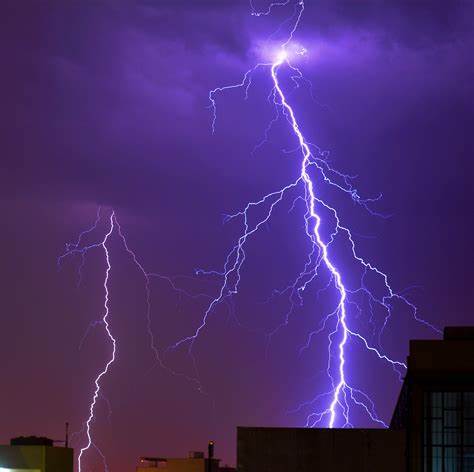
Lightning is one of nature’s most powerful and unpredictable forces. In a fraction of a second, a single strike can release up to one billion volts of electricity and generate temperatures hotter than the surface of the sun. While the visual display of lightning is often described as spectacular, its destructive potential is severe—especially in hazard-prone areas. Understanding the importance of lightning risk assessment is essential for protecting lives, property, and critical infrastructure.
TheSafetyMaster specializes in professional safety consulting and helps organizations and communities evaluate lightning risks systematically. Through structured risk assessment, mapping of high-risk zones, and practical protection recommendations, TheSafetyMaster supports proactive measures that reduce the likelihood of lightning-related damage and injuries.
Why Lightning Risk Assessment Matters
Lightning strikes can ignite fires, damage electrical systems, destroy equipment, and cause serious injury or death. The impact extends beyond the immediate strike. Fires can spread rapidly, power outages can disrupt operations, and survivors may experience lasting physical and psychological effects. Economic losses from damaged buildings, interrupted business activities, and repair costs can be substantial.
A thorough lightning risk assessment identifies where and how these dangers are most likely to occur. It enables decision-makers to prioritize resources, install appropriate protection systems, and prepare communities and workplaces for thunderstorms. Without such assessment, hazard-prone areas remain vulnerable to preventable disasters.
The Power of Lightning and Its Destructive Potential
Lightning occurs when electrical charges build up within storm clouds and discharge either within the cloud, between clouds, or between the cloud and the ground. When a cloud-to-ground strike hits, the intense heat can vaporize materials, start fires, and send dangerous electrical surges through conductive paths such as wiring, metal structures, and plumbing.
In industrial and commercial settings, a single strike can damage control systems, production equipment, and data infrastructure. In open or elevated locations, the risk to people working outdoors increases significantly. Recognizing this power is the first step toward treating lightning as a serious occupational and public safety hazard.
Key Elements of Effective Lightning Risk Assessment
Mapping Hazard-Prone Areas
One of the most important steps in lightning risk assessment is identifying geographic zones where strikes are more frequent or severe. Experts analyze meteorological records, historical strike data, topography, and land-use patterns. Mountainous regions, open plains, areas near large water bodies, and locations with tall isolated structures often show higher strike probability.
Mapping tools such as Geographic Information Systems (GIS) help visualize these danger zones. Once high-risk areas are clearly marked, communities and facility managers can focus protective measures where they will deliver the greatest benefit. TheSafetyMaster uses data-driven approaches to support accurate identification of hazard-prone locations.
Core Principles of Lightning Risk Assessment
Effective assessment rests on several core principles:
- Analysis of historical lightning data to understand frequency and intensity patterns
- Evaluation of atmospheric and geographic factors that increase strike likelihood
- Assessment of existing protection systems, including grounding, surge protection, and structural design
- Identification of human and asset vulnerabilities within the area
These principles allow safety professionals to move beyond general awareness and develop site-specific risk profiles.
Essential Tools Used in Risk Assessment
Reliable tools form the foundation of accurate evaluation. Modern meteorological networks and lightning detection systems provide real-time and historical strike information. Weather radar helps track storm development and movement. Advanced mapping technology combines topographic, land-use, and infrastructure data to highlight vulnerable zones. Historical incident records further refine understanding of past events and recurring patterns.
When these tools are used together, they create a clear picture of risk levels and support informed decision-making. TheSafetyMaster integrates such data sources into practical assessments for industrial and commercial clients.
Assessing Vulnerabilities in Hazard-Prone Areas
Geographic and Environmental Factors
Location plays a major role in determining risk. Areas near thunderstorm corridors, elevated terrain, or open landscapes experience higher exposure. Soil conductivity, presence of tall structures, and proximity to conductive materials also influence the path a strike may take and the extent of secondary damage.
Structural and Operational Vulnerabilities
Buildings without proper lightning protection systems, outdated electrical installations, and poorly maintained grounding can turn a strike into a major incident. Outdoor workers, storage of flammable materials, and sensitive electronic equipment further increase vulnerability. A complete assessment examines both the physical environment and the activities taking place within it.
Human and Organizational Factors
Awareness levels, emergency preparedness, and the presence (or absence) of clear safety procedures affect how people respond during thunderstorms. Organizations that lack training or warning systems face higher injury risks. TheSafetyMaster evaluates these human and organizational elements as part of a comprehensive review.
Implementing Lightning Safety Measures
Installing Lightning Protection Systems
Once risks are identified, the next step is action. Lightning Protection Systems (LPS) provide a controlled path for strike current to reach the ground safely. Key components include air terminals (lightning rods), down conductors, grounding systems, and surge protection devices. Proper design and installation according to recognized standards significantly reduce the chance of structural damage and fire.
Maintaining Systems and Preparing for Storms
Protection systems require regular inspection and maintenance. Corroded connections, damaged conductors, or inadequate grounding can compromise performance. In addition to hardware, organizations should establish clear procedures for suspending outdoor work when thunderstorms approach, designating safe shelters, and training personnel on lightning safety rules.
Building Community and Workplace Resilience
Risk assessment is most effective when it leads to lasting change. Sharing findings with stakeholders, updating emergency plans, and conducting periodic reviews keep protection measures current. TheSafetyMaster supports clients through assessment, recommendation of suitable protection solutions, and guidance on ongoing maintenance and training.
How TheSafetyMaster Supports Lightning Risk Assessment
TheSafetyMaster brings specialized knowledge in safety audits, risk assessment, and process safety to help organizations address lightning hazards systematically. Their approach includes site evaluation, identification of high-risk zones, review of existing protection measures, and practical recommendations tailored to the facility or community. By combining technical analysis with actionable guidance, TheSafetyMaster helps reduce the potential for lightning-related accidents and property damage.
Benefits of Professional Lightning Risk Assessment
- Clear identification of high-risk locations and vulnerable assets
- Prioritized recommendations for protection systems and procedural controls
- Improved compliance with safety standards and best practices
- Reduced likelihood of fire, equipment failure, and personal injury
- Stronger overall safety culture and emergency preparedness
Frequently Asked Questions
Q-What is lightning risk assessment?
Lightning risk assessment is a structured process of evaluating the likelihood and potential consequences of lightning strikes in a specific area. It examines geographic, structural, and operational factors to guide protective measures.
Q-Why is lightning risk assessment important in hazard-prone areas?
Hazard-prone areas experience higher strike frequency or intensity. Assessment helps target resources effectively, protect people and assets, and prevent costly damage or injuries.
Q-What tools are used in lightning risk assessment?
Common tools include historical strike data, meteorological networks, weather radar, Geographic Information Systems (GIS), and on-site inspection of structures and protection systems.
Q-How does TheSafetyMaster help with lightning risk assessment?
TheSafetyMaster conducts professional evaluations, maps risk zones, reviews existing protection measures, and provides practical recommendations for systems, maintenance, and procedures.
Q-Can lightning protection systems completely eliminate the risk?
No system can guarantee absolute safety, but a properly designed and maintained Lightning Protection System significantly reduces the risk of structural damage, fire, and secondary electrical surges.
Q-How often should lightning protection systems be inspected?
Regular inspections are recommended, typically annually or after major storms, to check for corrosion, physical damage, and proper grounding continuity.
Lightning remains a serious natural hazard, particularly in areas already identified as high-risk. A systematic lightning risk assessment transforms uncertainty into actionable knowledge. By understanding strike patterns, evaluating vulnerabilities, and implementing appropriate protection measures, organizations and communities can substantially reduce the threat. Partnering with experienced professionals such as TheSafetyMaster ensures that assessments are thorough, recommendations are practical, and safety improvements are sustained over time. Proactive attention to lightning risk protects lives, safeguards property, and strengthens overall resilience against one of nature’s most powerful forces.