Reducing Unsafe Acts Through Effective Behavior-Based Safety Management Strategies

How HAZOP Supports Functional Safety and SIL Assessment
June 3, 2026
Fire Risks in EV Charging Stations: What Every Facility Must Know
June 8, 2026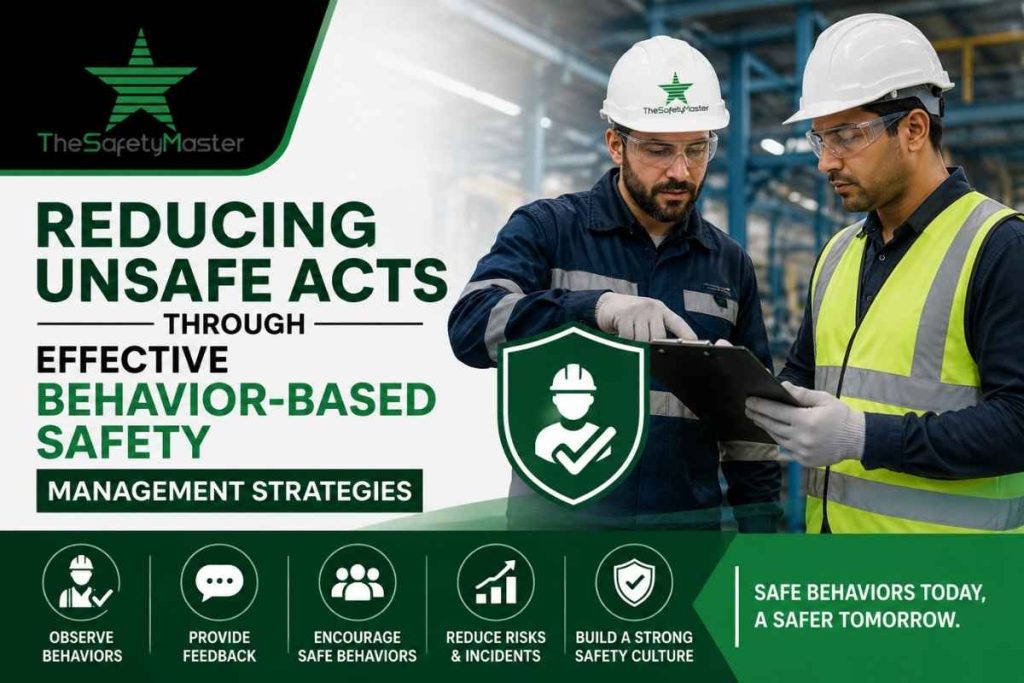
Workplace accidents rarely happen because of a single equipment failure or process breakdown. In many cases, unsafe acts and risky behaviors play a significant role in creating conditions that lead to incidents. Employees may take shortcuts, ignore procedures, bypass safety systems, or become complacent over time. These actions can increase the likelihood of injuries, property damage, and operational disruptions.
This is where Behavior-Based Safety (BBS) becomes an essential component of a strong safety culture. Rather than focusing solely on hazards and compliance, Behavior-Based Safety management strategies address the human factors that influence workplace safety. By encouraging positive behaviors and identifying unsafe actions before they result in accidents, organizations can significantly improve their safety performance.
Understanding Unsafe Acts in the Workplace
Unsafe acts are behaviors or actions that increase the risk of accidents and injuries. They can occur intentionally or unintentionally and are often influenced by workplace culture, inadequate training, time pressure, or poor supervision.
Common examples of unsafe acts include:
- Not wearing required personal protective equipment (PPE)
- Ignoring lockout/tagout procedures
- Taking shortcuts to complete tasks faster
- Using equipment improperly
- Entering restricted areas without authorization
- Failing to report hazards or near misses
Even in organizations with advanced safety systems, unsafe behaviors can undermine overall safety performance. Identifying and correcting these behaviors is a critical step toward reducing workplace incidents.
What Is Behavior-Based Safety?
Behavior-Based Safety is a proactive approach that focuses on observing, analyzing, and improving employee behaviors related to safety. Instead of waiting for accidents to occur, BBS programs identify at-risk behaviors and encourage safer work practices through observation, feedback, and positive reinforcement.
The core principle behind BBS is simple: when safe behaviors become habits, workplace incidents decrease.
A successful BBS program helps organizations:
- Increase employee awareness of safety practices
- Reduce unsafe behaviors
- Improve communication between workers and supervisors
- Strengthen safety culture
- Minimize workplace accidents and injuries
Why Unsafe Acts Continue Despite Safety Procedures
Many organizations invest heavily in safety policies, procedures, and equipment but still experience incidents caused by unsafe actions. This happens because human behavior is influenced by several factors beyond written procedures.
Some common reasons include:
Lack of Awareness
Employees may not fully understand the risks associated with their tasks or the consequences of unsafe actions.
Complacency
Workers who perform the same task repeatedly may become overly comfortable and start ignoring safety precautions.
Production Pressure
Tight deadlines and productivity targets can encourage employees to prioritize speed over safety.
Poor Safety Culture
If management does not actively promote safety, workers may believe that safety is less important than operational performance.
Inadequate Training
Without proper training, employees may not know the correct procedures for performing tasks safely.
Addressing these underlying causes requires a structured behavior-focused safety management approach.
Key Behavior-Based Safety Management Strategies
Establish Clear Safety Expectations
Employees should clearly understand what safe behavior looks like in their daily work activities. Organizations must communicate expectations consistently and ensure safety procedures are easy to understand and follow.
When workers know exactly what is expected, they are more likely to adopt safe practices and avoid risky shortcuts.
Conduct Regular Behavioral Observations
Behavioral observations are a fundamental part of any BBS program. Supervisors and trained observers monitor workplace activities to identify both safe and unsafe behaviors.
The objective is not to blame employees but to understand why unsafe actions occur and find practical solutions to improve safety performance.
Observation programs help organizations identify recurring trends and target specific behaviors for improvement.
Provide Immediate and Constructive Feedback
Timely feedback is one of the most effective ways to influence behavior. When unsafe actions are observed, supervisors should provide coaching and guidance in a supportive manner.
Similarly, recognizing and reinforcing safe behavior encourages employees to continue following best practices.
Positive reinforcement often produces better long-term results than disciplinary approaches alone.
Encourage Employee Participation
Employees are more likely to support safety initiatives when they are actively involved in the process.
Organizations can encourage participation by:
- Reporting hazards and near misses
- Participating in safety meetings
- Conducting peer observations
- Suggesting safety improvements
- Contributing to risk assessments
When workers feel ownership of workplace safety, they become more committed to maintaining safe behaviors.
Strengthen Safety Competence Through Training
Training plays a critical role in shaping workplace behavior. Employees need ongoing education to understand risks, safety procedures, and the importance of safe decision-making.
Programs such as Behavior-Based Safety Training help organizations develop safety awareness while teaching employees how their actions directly impact workplace safety outcomes.
Regular training also reinforces safe habits and helps prevent complacency.
Using Risk Assessment to Support Behavioral Safety
Behavior-Based Safety should not operate independently from broader risk management systems. Integrating behavioral observations with risk assessments helps organizations gain a more complete understanding of workplace hazards.
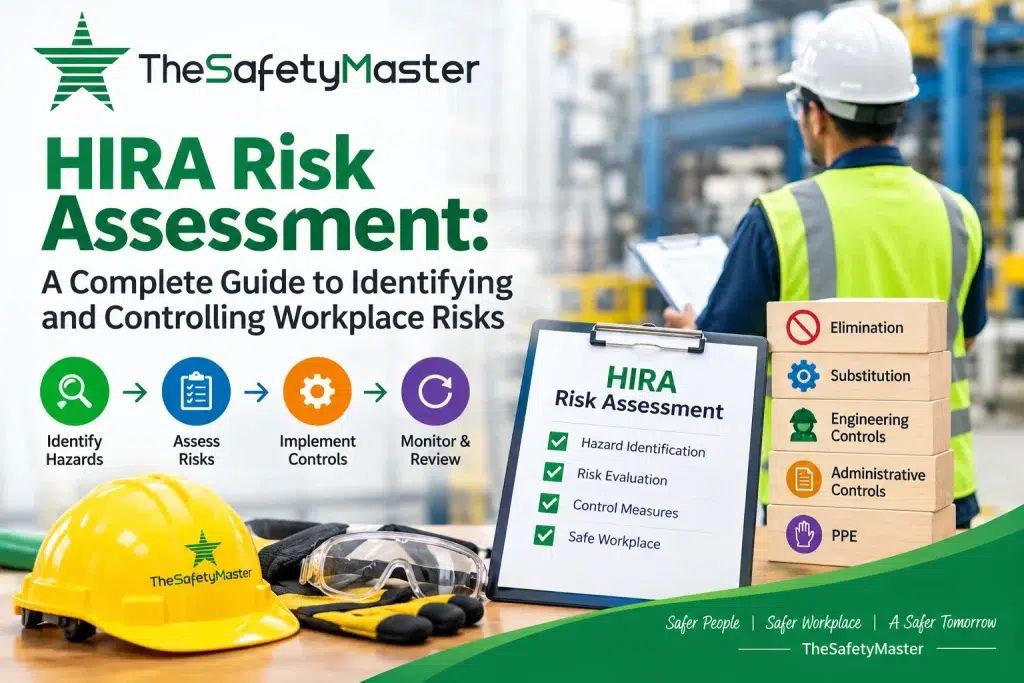
A structured approach such as HIRA in Safety allows organizations to identify hazards, evaluate risks, and implement effective controls before incidents occur.
When behavioral observations are combined with risk assessment findings, companies can address both human and technical factors contributing to workplace accidents.
Leadership’s Role in Reducing Unsafe Acts
Strong leadership is one of the most important factors in the success of any Behavior-Based Safety program.
Employees often model their behavior based on what they see from supervisors and management. If leaders consistently follow safety procedures, participate in observations, and demonstrate commitment to safety, employees are more likely to do the same.
Effective leaders:
- Lead by example
- Communicate safety expectations clearly
- Recognize positive behaviors
- Address unsafe practices promptly
- Allocate resources for safety improvement
Visible leadership commitment helps create a culture where safety becomes a shared value rather than a compliance requirement.
Integrating Process Safety and Behavioral Safety
Behavioral safety becomes even more important in high-risk industries such as oil and gas, chemical processing, pharmaceuticals, and manufacturing.
While process safety systems focus on preventing catastrophic events, employee behaviors remain critical for maintaining system integrity.
Training programs such as HAZOP Training help employees understand process hazards, identify potential deviations, and support safer operational decision-making.
Combining process safety knowledge with behavior-focused initiatives creates a more comprehensive safety management framework.
Measuring the Success of a BBS Program
Organizations should regularly evaluate the effectiveness of their Behavior-Based Safety initiatives through measurable indicators such as:
- Reduction in unsafe behavior observations
- Increased participation in safety programs
- Improved near-miss reporting
- Lower incident and injury rates
- Enhanced employee engagement
Tracking these metrics helps organizations identify improvement opportunities and demonstrate the value of behavioral safety efforts.
Conclusion
Reducing unsafe acts requires more than policies, procedures, and compliance audits. It demands a proactive approach that addresses the behaviors influencing workplace safety every day. Effective Behavior-Based Safety management strategies help organizations identify at-risk actions, reinforce safe practices, and build a stronger safety culture.
By combining behavioral observations, employee engagement, leadership commitment, ongoing training, and risk assessment methodologies, organizations can significantly reduce workplace incidents and create safer working environments for everyone. When safety becomes a shared responsibility and safe behaviors become routine, the workplace moves closer to achieving operational excellence and zero harm.