Fire Safety Audit Mistakes That Industries Often Overlook and How to Correct Them Before an Emergency Occurs

How Process Safety Consultants Help Industries Reduce Operational Risks Through Advanced Hazard Assessment Methods
July 11, 2026
Behavior-Based Safety Consultant: The Key to Reducing Workplace Accidents
July 17, 2026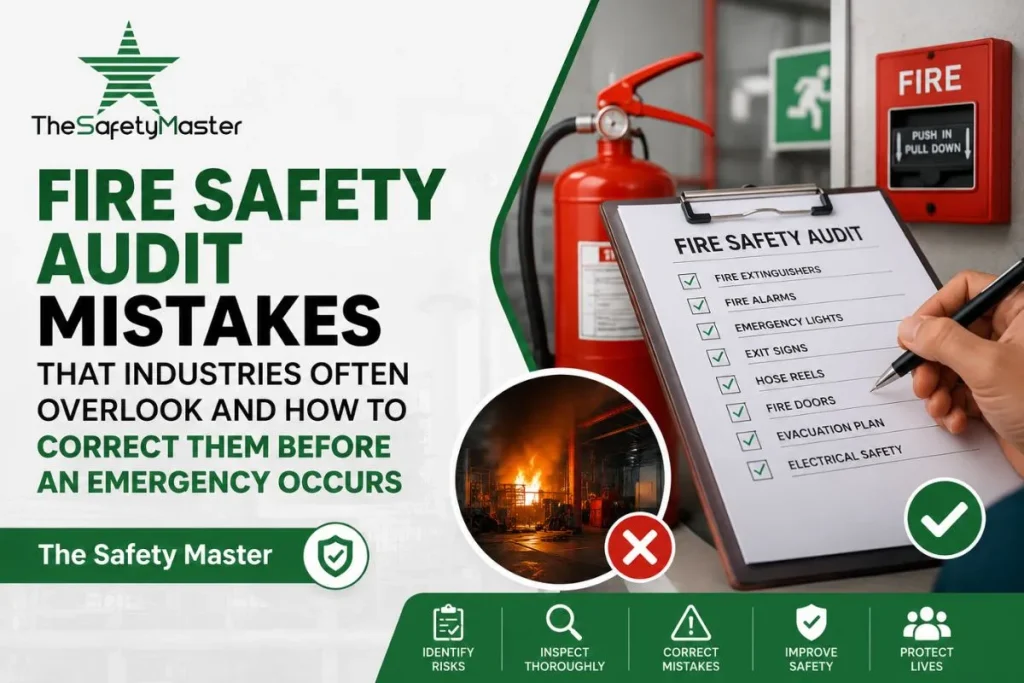
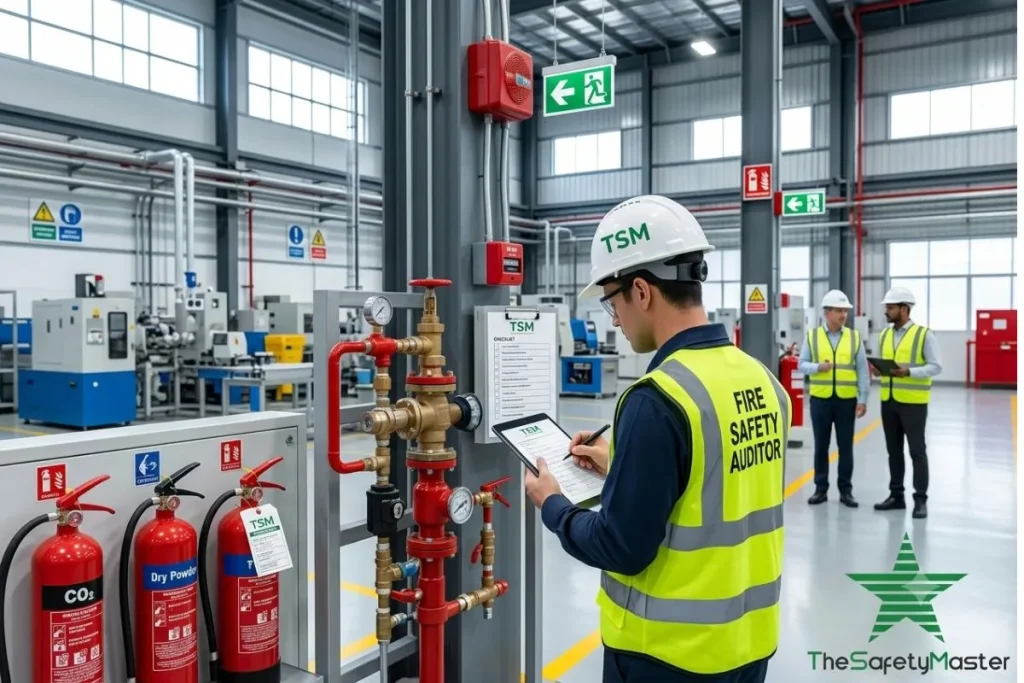
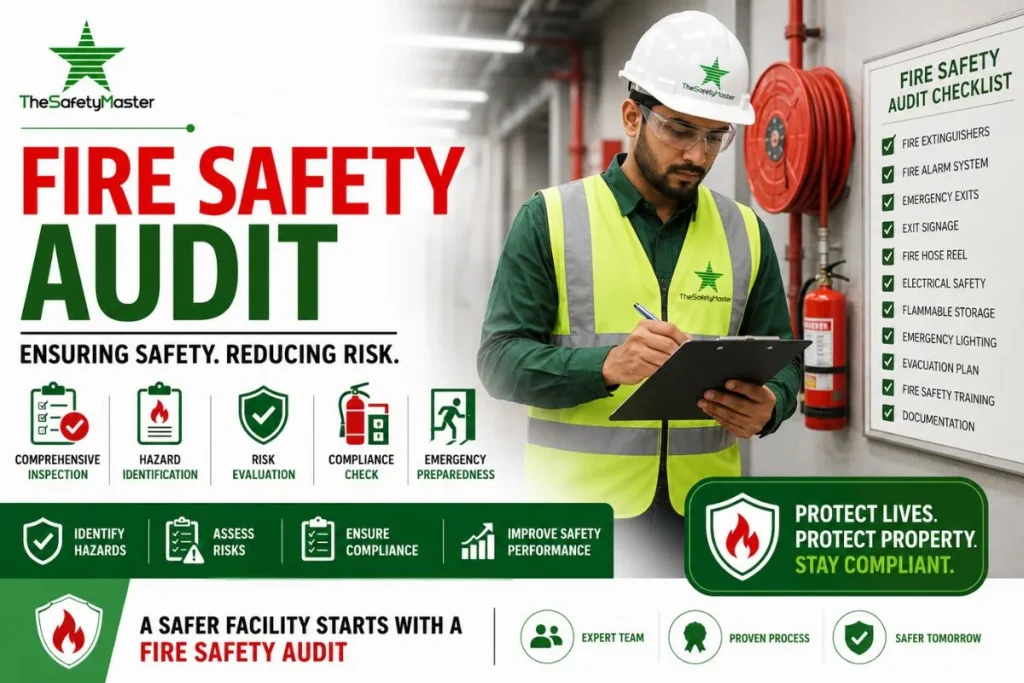
Industrial facilities face numerous fire risks every day, from electrical equipment and flammable chemicals to welding operations and storage areas. A comprehensive Fire Safety Audit is one of the most effective ways to identify these risks and ensure that emergency systems function properly when needed.
Unfortunately, many industries treat fire audits as a compliance exercise rather than a critical safety measure. As a result, important hazards often go unnoticed until an actual emergency occurs. At The Safety Master, we have observed that even organizations with advanced safety programs can overlook essential aspects of fire prevention and emergency preparedness.
This article explores the most common fire safety audit mistakes industries make and provides practical solutions to correct them before a fire emergency threatens lives, property, and business continuity.
Why Fire Safety Audits Are Essential for Industries
A fire can cause severe injuries, production downtime, environmental damage, legal liabilities, and significant financial losses. A properly conducted fire safety audit helps organizations:
- Identify fire hazards before incidents occur
- Ensure compliance with fire safety regulations
- Evaluate emergency preparedness
- Verify functionality of fire protection systems
- Reduce operational risks
- Protect employees and assets
However, the effectiveness of an audit depends on how thoroughly it is conducted.
Common Fire Safety Audit Mistakes Industries Often Overlook
Treating the Audit as a Compliance Checklist
One of the biggest mistakes organizations make is viewing a fire safety audit solely as a regulatory requirement.
Many facilities focus only on passing inspections rather than identifying real hazards. This approach often results in overlooked risks that can become major safety concerns.
How to Correct It
- Conduct audits with a risk-based approach.
- Evaluate actual workplace conditions.
- Involve operational teams during inspections.
- Focus on hazard elimination rather than documentation alone.
A fire safety audit should be a proactive safety initiative, not just a paperwork exercise.
Ignoring Electrical Fire Risks
Electrical faults remain one of the leading causes of industrial fires. During audits, organizations often inspect fire extinguishers and alarms but fail to assess electrical systems thoroughly.
Common issues include:
- Overloaded circuits
- Damaged wiring
- Improper cable management
- Unmaintained electrical panels
- Unauthorized temporary connections
How to Correct It
- Include electrical safety inspections in every audit.
- Perform thermographic inspections.
- Schedule preventive maintenance.
- Replace damaged electrical components immediately.
Regular electrical assessments significantly reduce fire risks.
Inadequate Inspection of Fire Extinguishers
Many facilities have fire extinguishers installed throughout the premises but fail to verify whether they are functional.
Common problems include:
- Expired extinguishers
- Low pressure levels
- Obstructed access
- Incorrect extinguisher type
How to Correct It
Establish Monthly Inspections
Assign responsible personnel to inspect extinguishers monthly.
Verify Proper Placement
Ensure extinguishers are accessible and suitable for the specific fire hazards present.
Maintain Inspection Records
Document maintenance and testing activities regularly.
Failure to Evaluate Fire Detection and Alarm Systems
A fire alarm system is only effective if it works during an emergency.
Many audits focus on visual inspections without testing operational performance.
Common issues include:
- Faulty detectors
- Dead batteries
- Damaged alarm circuits
- Delayed response times
How to Correct It
- Conduct periodic alarm testing.
- Verify communication with emergency response systems.
- Test detectors in all operational areas.
- Review maintenance records.
A non-functional alarm system can delay evacuation and increase casualties.
Poor Assessment of Emergency Exit Routes
Emergency exits are often blocked by equipment, materials, or temporary storage items.
During an emergency, blocked exits can create panic and prevent safe evacuation.
Common Problems
- Locked exit doors
- Poor signage
- Insufficient emergency lighting
- Obstructed escape routes
How to Correct It
Conduct Evacuation Walkthroughs
Inspect all exit routes physically during audits.
Verify Signage Visibility
Ensure emergency signs remain visible from all directions.
Maintain Emergency Lighting
Test backup lighting systems regularly.
Overlooking Flammable Material Storage
Improper storage of combustible and flammable materials significantly increases fire risks.
Common examples include:
- Chemical drums stored near ignition sources
- Excessive combustible waste accumulation
- Incompatible chemicals stored together
How to Correct It
- Follow proper storage guidelines.
- Label hazardous materials clearly.
- Maintain separation distances.
- Install appropriate fire suppression systems.
Proper storage practices reduce the likelihood of fire ignition and spread.
Lack of Employee Fire Safety Training
Even the best fire protection systems can fail if employees do not know how to respond during an emergency.
Many audits focus on equipment while neglecting workforce preparedness.
Signs of Inadequate Training
- Employees unfamiliar with evacuation routes
- Improper extinguisher use
- Delayed emergency response
- Confusion during drills
How to Correct It
Conduct Regular Training Sessions
Provide fire awareness training for all employees.
Organize Emergency Drills
Conduct evacuation exercises at least twice annually.
Train Emergency Response Teams
Develop trained fire wardens and emergency coordinators.
Failure to Review Fire Incident History
Past incidents provide valuable information about recurring risks.
Many organizations overlook historical fire events during audits.
How to Correct It
- Analyze previous fire incidents.
- Investigate near-miss reports.
- Identify recurring hazards.
- Implement corrective actions.
Learning from past events helps prevent future emergencies.
Neglecting Fire Suppression System Testing
Industrial facilities often rely on sprinklers, hydrants, and suppression systems.
Unfortunately, some audits only verify installation rather than functionality.
Common Issues
- Closed isolation valves
- Corroded sprinkler heads
- Insufficient water pressure
- Damaged piping
How to Correct It
- Schedule periodic testing.
- Conduct flow tests.
- Inspect sprinkler systems regularly.
- Verify hydrant performance.
Reliable suppression systems are essential during fire emergencies.
Incomplete Documentation and Record Management
Poor documentation can create compliance issues and hinder emergency preparedness.
Missing records often include:
- Inspection reports
- Maintenance logs
- Training records
- Emergency drill reports
How to Correct It
Implement a structured fire safety management system that maintains accurate and accessible records.
Best Practices for an Effective Fire Safety Audit
Develop a Comprehensive Audit Checklist
Include:
- Electrical systems
- Fire protection equipment
- Emergency exits
- Hazardous material storage
- Employee training
- Emergency response plans
Involve Multiple Departments
Safety audits should include:
- Operations
- Maintenance
- Engineering
- Human Resources
- Emergency Response Teams
Perform Regular Audits
Conduct audits at planned intervals and after significant operational changes.
Address Findings Immediately
Corrective actions should be prioritized based on risk severity.
Benefits of Correcting Fire Safety Audit Gaps
Organizations that proactively address audit findings can achieve:
- Reduced fire incidents
- Improved employee safety
- Better regulatory compliance
- Lower insurance costs
- Increased operational continuity
- Enhanced emergency preparedness
A strong fire safety culture protects both people and business operations.
Conclusion
A Fire Safety Audit is much more than a regulatory requirement. It is a critical process that identifies hidden hazards, evaluates emergency preparedness, and strengthens an organization’s ability to prevent fire-related incidents.
Many industries unknowingly overlook important issues such as electrical hazards, blocked exits, inadequate training, poor maintenance of fire protection systems, and improper storage of flammable materials. Correcting these deficiencies before an emergency occurs can save lives, reduce property damage, and prevent costly operational disruptions.
At The Safety Master, we help industries conduct comprehensive Fire Safety Audit programs that go beyond compliance and focus on practical risk reduction, ensuring safer workplaces and stronger emergency preparedness.