Reasons You Should Conduct Regular Safety Audits

How to conduct a fire safety audit
April 11, 2022
Warehouse Safety: Protect People, Materials and Operations
May 6, 2022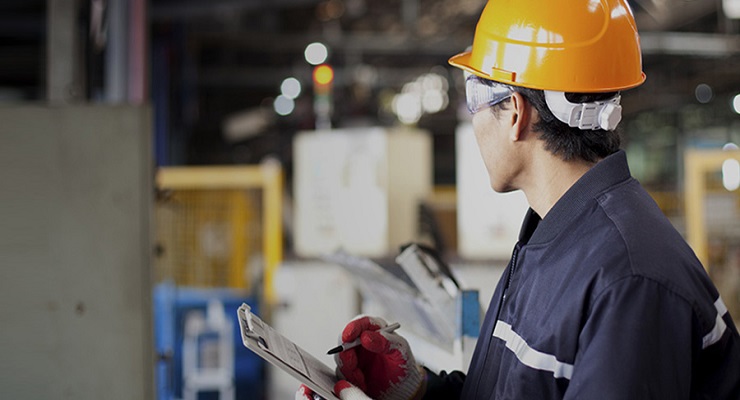
A safe workplace does not happen by accident. Organizations need regular monitoring, inspections, risk assessments, and corrective actions to identify hazards before they cause injuries, property damage, equipment failure, or operational disruption. A Safety Audit provides a systematic way to evaluate whether workplace safety practices are working effectively.
Regular safety audits help organizations identify unsafe conditions, review existing controls, check compliance requirements, and improve overall safety performance. They also provide management with a clear picture of the organization’s current safety status and areas that require improvement.
At The Safety Master, safety audits are approached as a practical improvement process rather than simply a compliance exercise. A well-planned audit can help organizations create safer workplaces, strengthen safety culture, and reduce operational risks.
What Is a Safety Audit?
A Safety Audit is a systematic examination of workplace activities, equipment, procedures, documents, and safety management practices. Its purpose is to identify hazards, evaluate existing controls, find gaps, and recommend corrective actions.
Unlike a routine safety inspection, which may focus on immediate unsafe conditions, a safety audit can examine the broader safety management system. It may review employee practices, emergency preparedness, training records, risk assessments, maintenance systems, statutory requirements, and safety procedures.
Safety Audit vs Safety Inspection
A safety inspection generally focuses on identifying visible unsafe conditions during a specific inspection.
A Safety Audit goes deeper by evaluating whether the organization’s safety systems, procedures, responsibilities, and controls are effectively implemented.
Both activities are important, but they serve different purposes within an effective safety management system.
Why Should You Conduct Regular Safety Audits?
Regular audits allow organizations to identify problems before they become serious incidents. Waiting for an accident to reveal a weakness can result in injuries, production losses, equipment damage, regulatory problems, and reputational harm.
Here are the major reasons organizations should conduct regular safety audits.
1. Identify Workplace Hazards
One of the primary purposes of a Safety Audit is to identify existing and potential hazards.
Auditors can examine areas such as:
- Machinery and equipment
- Electrical systems
- Fire protection
- Chemical handling
- Work at height
- Material handling
- Housekeeping
- Emergency exits
- Personal protective equipment
- Occupational health hazards
- Contractor activities
Early identification allows organizations to introduce appropriate controls before hazards result in incidents.
2. Verify Compliance With Safety Requirements
Organizations must meet applicable legal, regulatory, industry, and internal safety requirements.
Regular audits help determine whether workplace practices and documentation are aligned with applicable requirements. Auditors can review permits, inspection records, training documents, emergency procedures, statutory records, risk assessments, and other relevant documentation.
A compliance-focused audit can also help management identify gaps that need corrective action.
3. Evaluate the Effectiveness of Existing Controls
Having a safety procedure does not necessarily mean that the risk is adequately controlled.
A Safety Audit helps answer important questions:
- Is the procedure actually being followed?
- Are employees properly trained?
- Are safety controls available and functional?
- Are inspections being completed?
- Are corrective actions closed on time?
- Are workers using required PPE?
- Are emergency systems maintained?
This helps organizations determine whether their safety controls are effective in real workplace conditions.
4. Reduce Workplace Accidents and Incidents
Regular audits can help identify unsafe acts, unsafe conditions, system weaknesses, and recurring problems.
When these findings are corrected, organizations can reduce the likelihood of incidents. Audits should therefore be connected to preventive action rather than simply generating an audit report.
5. Improve Employee Safety Awareness
Employees are an important part of workplace safety.
During an audit, discussions with workers can reveal practical problems that may not be visible from documents or procedures. Employees may identify unsafe equipment, difficult work practices, inadequate PPE, housekeeping problems, or gaps in training.
Regular audits can therefore encourage employees to participate more actively in safety.
6. Strengthen Safety Culture
A strong safety culture requires continuous attention from both management and employees.
When organizations conduct regular audits and take corrective actions seriously, employees can see that safety is treated as an ongoing priority.
A good audit program encourages:
- Management involvement
- Employee participation
- Better communication
- Accountability
- Continuous improvement
- Stronger reporting practices
7. Reduce Operational and Financial Losses
Workplace incidents can lead to medical costs, equipment damage, production interruptions, investigation costs, legal expenses, and reputational damage.
A proactive Safety Audit helps identify weaknesses before they develop into costly incidents.
Improving safety can therefore support both employee protection and business continuity.
8. Improve Emergency Preparedness
Audits can evaluate whether an organization is prepared to respond to emergencies.
Areas That Can Be Reviewed
- Emergency exits
- Evacuation routes
- Fire extinguishers
- Fire alarm systems
- Emergency lighting
- First-aid facilities
- Emergency contact information
- Muster points
- Emergency response procedures
- Employee emergency training
Regular review helps ensure that emergency arrangements remain practical and suitable for the workplace.
9. Verify Safety Training and Competency
Employees need appropriate knowledge and skills to perform their jobs safely.
A Safety Audit can examine whether required training has been completed and whether employees understand important safety procedures.
Training Areas May Include
- Fire safety
- Electrical safety
- Work at height
- Confined space safety
- Chemical safety
- PPE
- Emergency response
- Material handling
- HIRA
- Permit-to-work systems
Training gaps identified during an audit can then be addressed through refresher or specialized training.
10. Promote Continuous Improvement
Safety management should not stop after an audit report is issued.
The most valuable part of an audit is the corrective action process. Findings should be prioritized according to risk, assigned to responsible persons, given target completion dates, and verified after closure.
This creates a continuous cycle:
Audit → Identify → Assess → Correct → Verify → Improve
What Areas Should Be Covered During a Safety Audit?
The scope of an audit depends on the industry, workplace activities, and audit objectives.
Workplace Safety
Review housekeeping, access routes, machine safety, PPE, material storage, work practices, and workplace conditions.
Fire and Emergency Safety
Review fire protection systems, emergency exits, evacuation procedures, alarms, emergency equipment, and preparedness.
Electrical Safety
Examine electrical installations, panels, cables, earthing, protection devices, inspection records, and electrical work practices.
Process Safety
For process industries, the audit may examine process hazards, operating procedures, safety-critical equipment, management of change, emergency systems, and process safety management practices.
Occupational Health and Industrial Hygiene
Where applicable, audits may review exposure to noise, dust, chemicals, heat, ergonomics, ventilation, and other occupational health hazards.
Documentation and Records
Auditors can review:
- Safety policies
- Risk assessments
- HIRA documents
- Training records
- Inspection records
- Incident reports
- Emergency plans
- Maintenance records
- Corrective action records
How to Conduct an Effective Safety Audit
Step 1: Define the Audit Scope
Clearly determine what locations, activities, departments, equipment, and safety systems will be audited.
Step 2: Prepare an Audit Checklist
Develop a checklist based on the organization’s activities, risks, applicable requirements, and audit objectives.
Step 3: Review Existing Documents
Review relevant procedures, risk assessments, previous audit reports, training records, incident data, inspection reports, and corrective actions.
Step 4: Conduct the Site Assessment
Inspect the workplace and observe actual working conditions. Speak with employees and supervisors to understand how safety procedures are implemented.
Step 5: Identify and Classify Findings
Document hazards, non-conformities, unsafe practices, and opportunities for improvement. Findings should be prioritized according to their potential risk.
Step 6: Recommend Corrective Actions
Each significant finding should have a practical corrective action, responsible person, and target completion date.
Step 7: Follow Up and Verify Closure
An audit is not complete when the report is issued. Corrective actions should be tracked and verified to confirm that identified issues have actually been resolved.
How Often Should a Safety Audit Be Conducted?
There is no single frequency that applies to every workplace. Audit frequency should be based on factors such as industry, legal requirements, risk level, previous incidents, changes in operations, and organizational safety performance.
High-risk operations may require more frequent audits, while lower-risk workplaces may follow a different schedule.
Organizations should also conduct additional reviews after significant changes, serious incidents, major equipment modifications, or changes in processes.
Common Mistakes to Avoid During Safety Audits
Only Focusing on Documentation
Documents are important, but auditors should also verify actual workplace practices.
Treating the Audit as a Fault-Finding Exercise
The purpose of an audit should be to identify and control risk, not simply to blame employees.
Ignoring Employee Feedback
Workers often understand operational risks that may not be obvious from documentation. Their feedback should be included in the audit process.
Not Following Up on Findings
An audit report has limited value if corrective actions remain open.
Using the Same Checklist for Every Workplace
Audit checklists should reflect the organization’s actual hazards, operations, and risk profile.
How The Safety Master Can Help
The Safety Master provides professional safety consultancy, auditing, training, and risk management solutions for organizations looking to strengthen their workplace safety systems.
Depending on the organization’s requirements, safety audits may cover areas such as:
- Comprehensive Safety Audit
- Process Safety Audit
- Electrical Safety Audit
- Fire Safety Audit
- Construction Safety Audit
- Industrial Hygiene Audit
- Warehouse Safety Audit
- Transport Safety Audit
- Statutory Safety Audit
- Environmental Management Audit
The goal is not simply to identify deficiencies but to help organizations understand their risks, improve controls, and develop a stronger safety management system.
Conclusion
Regular Safety Audit activities are an important part of proactive workplace safety management. They help organizations identify hazards, evaluate safety controls, verify compliance, improve employee awareness, strengthen emergency preparedness, and drive continuous improvement.
A successful audit should not end with a report. The real value comes from implementing corrective actions and verifying that identified risks have been effectively controlled.
With a systematic approach and expert guidance from The Safety Master, organizations can turn safety audits into a practical tool for improving workplace safety, operational reliability, and overall safety performance.
FAQs About Safety Audits
Q-What is a Safety Audit?
A Safety Audit is a systematic evaluation of workplace safety conditions, procedures, practices, documentation, and controls. It helps identify hazards, gaps, and opportunities for improving safety performance.
Q-Why is a Safety Audit important?
A Safety Audit is important because it helps organizations identify hazards, evaluate existing controls, verify applicable requirements, improve safety practices, and reduce the likelihood of workplace incidents.
Q-How often should a Safety Audit be conducted?
The frequency depends on the organization’s industry, risk profile, legal requirements, previous incidents, and operational changes. High-risk workplaces may require more frequent audits than lower-risk workplaces.
Q-What is checked during a Safety Audit?
A Safety Audit may examine workplace conditions, machinery, electrical systems, fire safety, emergency preparedness, PPE, training, risk assessments, safety procedures, maintenance records, and corrective actions.
Q-What is the difference between a safety audit and a safety inspection?
A safety inspection generally focuses on identifying unsafe conditions and practices, while a Safety Audit evaluates the broader effectiveness of safety systems, procedures, controls, and management practices.
Q-Can a Safety Audit reduce workplace accidents?
A properly conducted audit can help reduce accident risk by identifying hazards and weaknesses before they contribute to incidents. However, the effectiveness depends on timely corrective action and continuous monitoring.
Q-Who should conduct a Safety Audit?
The auditor should have appropriate knowledge, competence, and experience relevant to the workplace hazards and audit scope. Organizations may use qualified internal auditors, external safety professionals, or specialist safety consultants.
Q-What happens after a Safety Audit?
After an audit, findings should be documented, prioritized, assigned to responsible persons, and addressed through corrective actions. Follow-up verification should confirm that important findings have been effectively closed.
Q-Is a Safety Audit only required for factories?
No. Safety audits can be useful in factories, construction sites, warehouses, offices, hospitals, hotels, educational institutions, commercial buildings, and other workplaces. The scope should be adapted to the specific risks of each workplace.
Q-How can The Safety Master help with Safety Audits?
The Safety Master can support organizations through professional safety audit, consultancy, risk assessment, training, and related safety management services. The audit scope can be customized according to the organization’s industry, activities, and safety requirements.